What Does Niacinamide Do for Skin
Niacinamide has become one of the most talked-about ingredients in skincare, and understanding what niacinamide does for skin makes it easy to see why. From barrier support and balanced oil to smoother texture and a more even-looking tone, it quietly addresses several concerns at once without unsettling even more reactive skin types. This guide explores how it works, where it fits within the Emma Hardie cleanse and tone ritual, and how to layer it comfortably alongside other actives.
What does niacinamide do for skin, and why does it matter?
If you've been seeing niacinamide everywhere lately, there's a good reason for it. It's one of those quietly hardworking ingredients that earns its place in a routine — delivering real, visible results while remaining comfortable for most skin types to use.
So what does niacinamide do for skin, exactly? In simple terms, it's a form of vitamin B3 that addresses several concerns at once. It helps to strengthen and support the skin's natural barrier, so skin feels more resilient and settled over time. It can balance excess oil production, which in turn softens the appearance of enlarged pores and refines overall texture. And with continued use, it works on uneven tone — gently reducing the look of dullness, discolouration and post-blemish marks.
That versatility is a big part of its appeal. Whether your skin tends to feel reactive, looks a little congested, or simply lacks the clarity you'd like, niacinamide tends to be well-tolerated and calming rather than challenging to introduce.
One thing worth acknowledging early on: if you experience persistent redness or sensitivity, it's worth looking at the full picture rather than assuming a single cause. Redness can stem from a number of different things — rosacea, contact reactions, other skin conditions — and each responds differently to care. Our guide to skincare for sensitive skin explores this thoughtfully, and is a useful place to begin if redness is something you return to regularly.
How niacinamide supports a calmer, more resilient-looking skin barrier
One of the things that makes niacinamide such a quietly impressive ingredient is how well it works with skin rather than pushing it to perform. Think of the skin barrier as your outermost protective layer — the part responsible for holding moisture in and keeping environmental stressors out. When it's functioning well, skin tends to feel more comfortable, look more settled, and react less to the world around it.
Research has found that topical niacinamide can have barrier-supporting, sebostatic, lightening and photo-protective effects depending on concentration, which goes some way to explaining why it has become such a trusted addition across so many different skin concerns.
In practice, what this can mean for skin day to day:
- A more comfortable feel over time, particularly as seasons or environments shift
- A calmer, more settled complexion with a greater sense of evenness
- Skin that feels softer and better balanced with consistent use
- Better moisture retention as the barrier becomes more supported
- A gentle enough profile to layer into an existing routine without overwhelming skin
Niacinamide tends to suit a wide range of skin types, and many people with more sensitive skin find it especially well-suited to a measured, supportive approach. As with any ingredient, results vary from person to person — but with regular use, skin can begin to feel noticeably more comfortable and resilient over time.
Can niacinamide help with oil, pores and uneven texture?
For skin that tends to feel shiny by midday, looks congested around the nose and chin, or has a texture that never quite settles into smoothness, niacinamide is one of the most consistently appreciated ingredients — and for good reason. It works across several of these concerns at once, without the irritation that stronger actives can sometimes bring.
Over time, and with consistent use, it can:
- Soften the appearance of enlarged pores, particularly in areas prone to congestion
- Support more balanced sebum levels, helping skin feel less oily throughout the day
- Refine surface texture for a smoother, more even-looking finish
- Calm visible shine, without leaving skin feeling stripped or tight
That last point matters more than it might seem. Many ingredients that target oiliness do so quite aggressively, and sensitive or reactive skin can struggle with the trade-off. Niacinamide offers a gentler route — results that build quietly rather than arrive at a cost.
It's also worth keeping expectations realistic. These are improvements in how skin looks and feels, not overnight transformations, and the changes tend to be gradual. That's not a limitation so much as a sign that skin is being supported rather than pushed.
If you're exploring targeted options for oiliness and shine, our collection formulated for those concerns is a good place to start.
Where niacinamide fits into your routine
Niacinamide is easiest to use when it sits within a simple, well-balanced routine. Rather than adding extra steps for the sake of it, choose the products that match what your skin needs most: a comfortable cleanse, one focused serum, then the right moisturiser for your skin that day.
Start with cleansing. In the evening, Moringa Cleansing Balm helps lift away make-up, SPF and daily build-up while keeping the skin feeling soft and comfortable. If your skin prefers a fresher, lighter texture, Moringa Light Cleansing Gel can be used in the morning, or as an optional second cleanse.
Next, choose your serum. This is where niacinamide can sit more clearly within the Emma Hardie range.
If your skin looks dull or uneven, Vitamin C Radiant Renewal Serum helps support a brighter, more even-looking complexion over time.
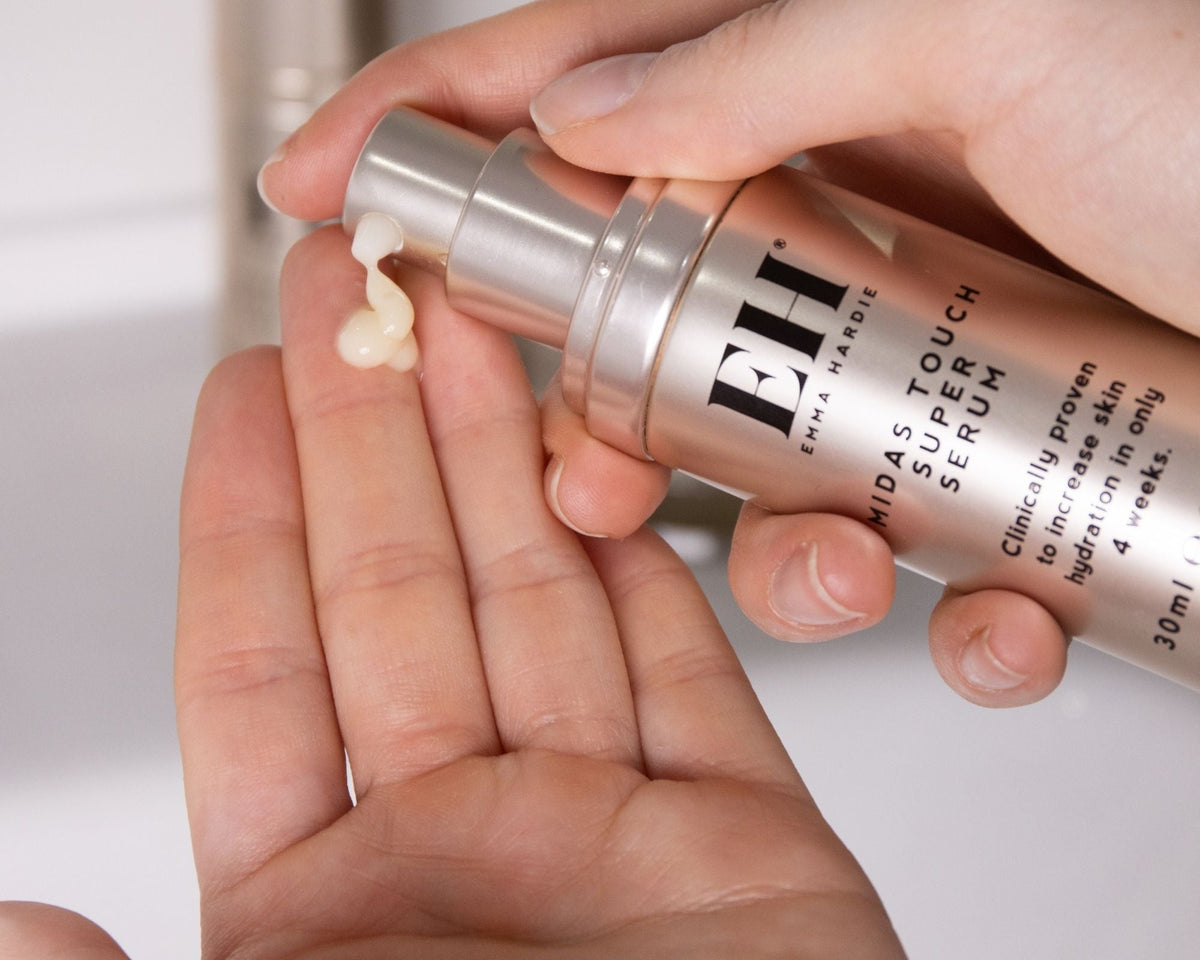
If your skin feels tired, dehydrated or less bouncy, Midas Touch Super Serum helps support smoother-looking texture, comfort and resilience.
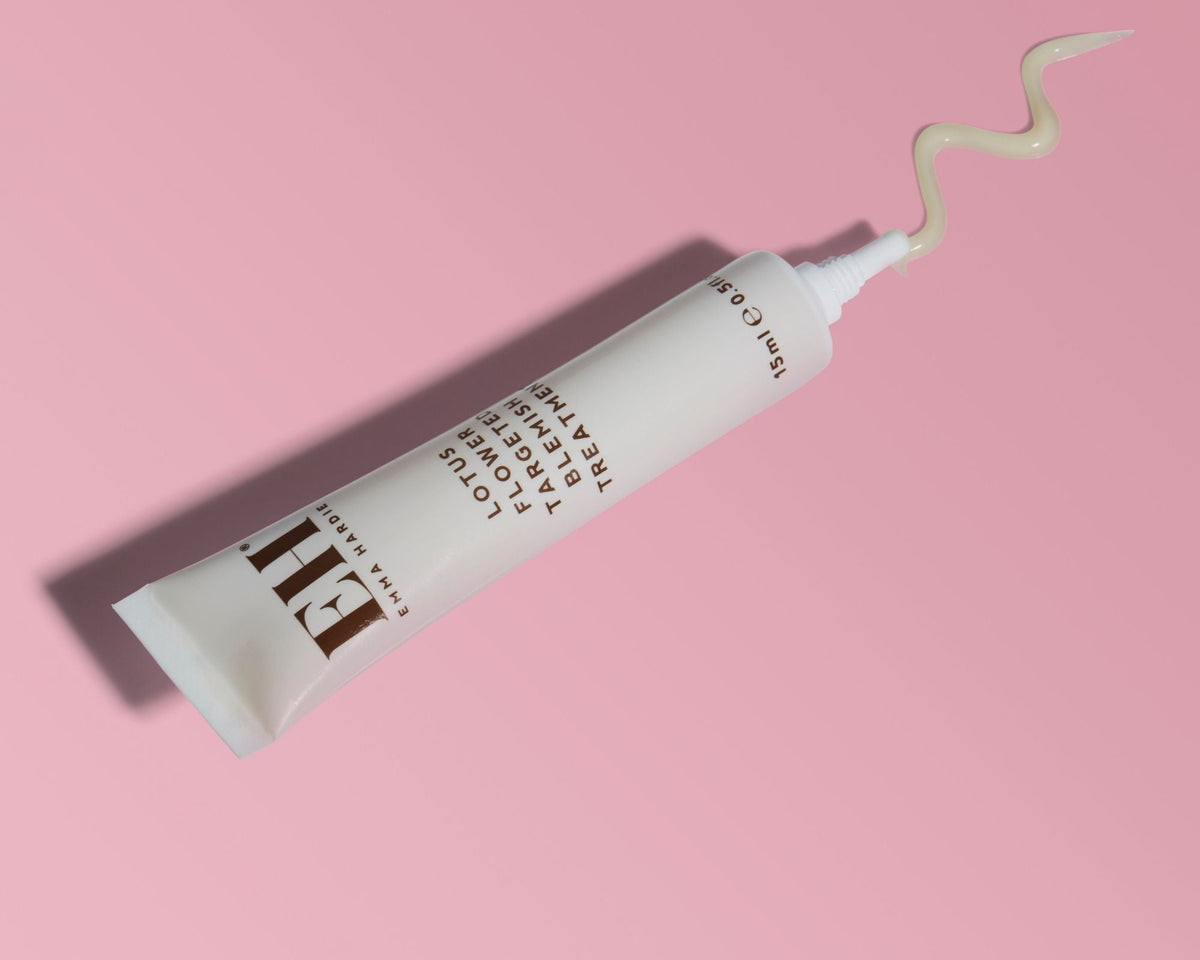
If your skin feels unsettled, shiny or prone to blemishes, Lotus Flower Treatment Serum is the clearest choice. It helps support balance, clarity and a calmer-looking complexion without adding weight.
Finish with hydration. If your skin wants a light, fresh finish, Vitamin C Radiance Gel Moisturiser gives comfortable hydration with a glow-supporting texture. If your skin needs richer comfort, Midas Touch Revitalising Cream brings a more cushioned feel, helping skin feel soft, nourished and supported.
This keeps niacinamide within a routine that still feels easy to follow: cleanse, choose one serum, then hydrate. The aim is not to layer every ingredient at once, but to build a ritual that feels balanced, consistent and right for your skin.
How to use niacinamide comfortably alongside other active ingredients
Niacinamide is known for being easy to live with, which is part of what makes it such a useful addition to a routine with other actives.
Alongside vitamin C, it can sit very comfortably. Vitamin C is often chosen for radiance, while niacinamide helps support a more even-looking, settled complexion. If you are using both, niacinamide usually fits well after your vitamin C step and before moisturiser. If you would like a little more guidance on layering, our guide to what order you should apply skincare in explains the flow simply.
With exfoliating acids, a slower approach is often the most comfortable. Rather than introducing a niacinamide serum and an acid on the same evening, it can help to bring one in first, then add the other once skin feels happy and balanced. Some people prefer to alternate them at first, especially if they are learning how to use niacinamide on face for the first time or are choosing niacinamide for sensitive skin. Patch testing is sensible whenever you are trying something new, and fragrance-heavy formulas are often best introduced gradually over several days.
Results tend to build quietly. Over a few weeks, skin may start to look calmer, more even in tone, and a little smoother through the surface. That steady, settled improvement is often where the niacinamide benefits for skin are most noticeable: more comfort, better balance, and a routine that still feels soft, simple and easy to keep up with.
Frequently Asked Questions
Is it okay to put niacinamide everyday?
Yes, niacinamide is often comfortable to use every day because it is known for being gentle and easy to layer into a routine. The key is a measured approach: introduce it steadily, especially if your skin is sensitive or you are using other active ingredients alongside it.
Does niacinamide remove dark spots?
Niacinamide can help soften the look of dark spots over time, rather than removing them overnight. With consistent use, it supports a more even-looking tone and can gently improve the appearance of discolouration, post-blemish marks and dullness while remaining comfortable for most skin types.