Skip to content

The Skin Edit

Retinol alternative

Retinol Alternatives for Comfort, Radiance and Resilience

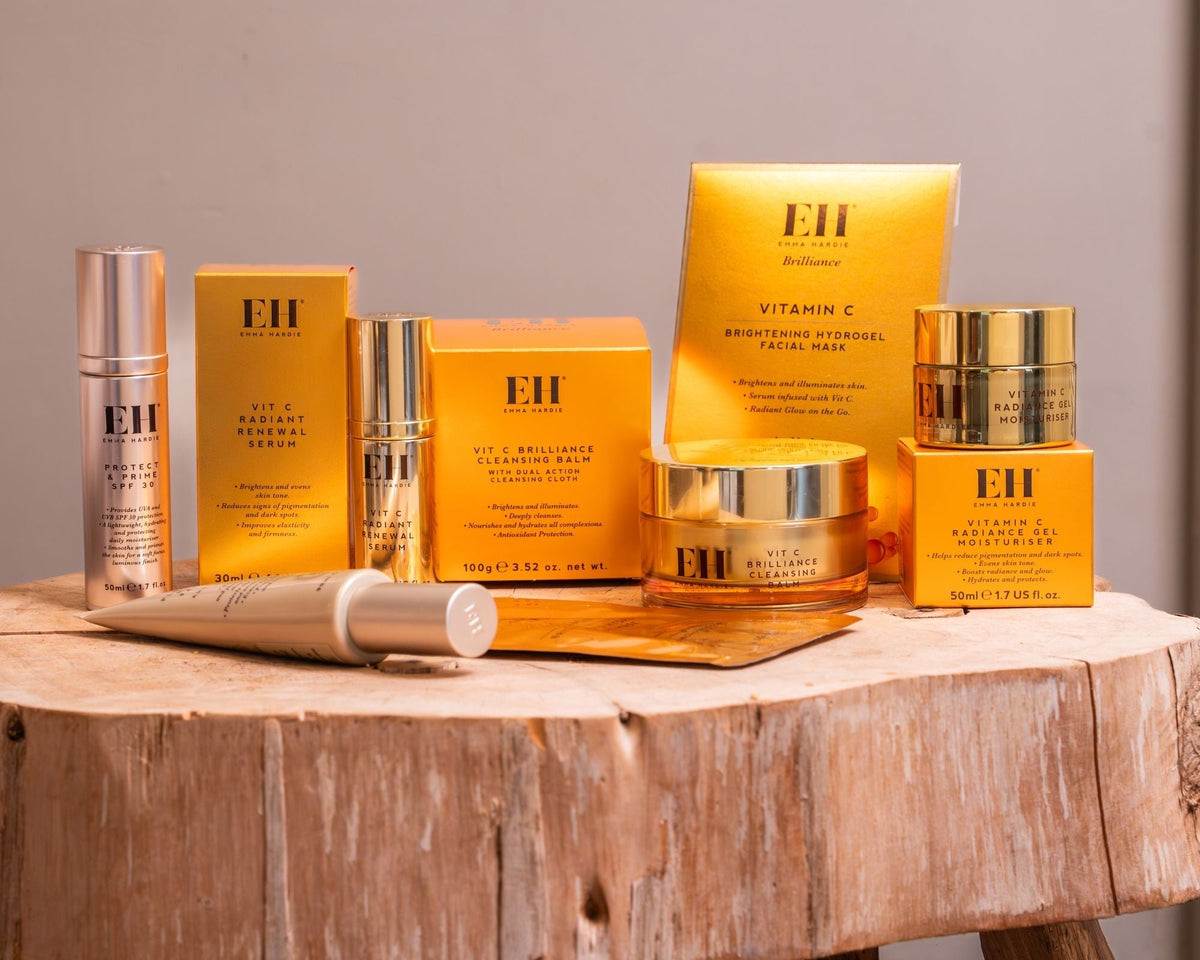
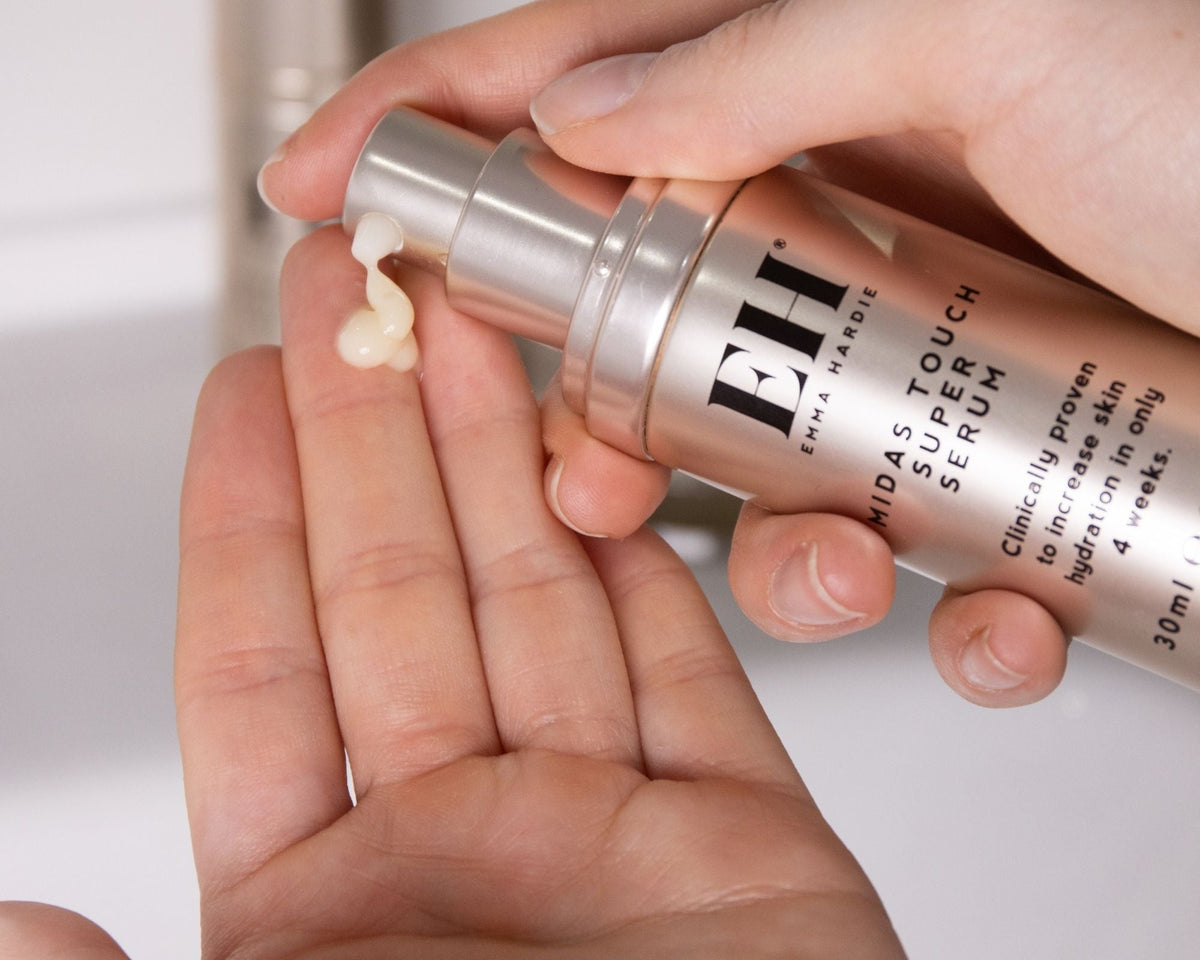
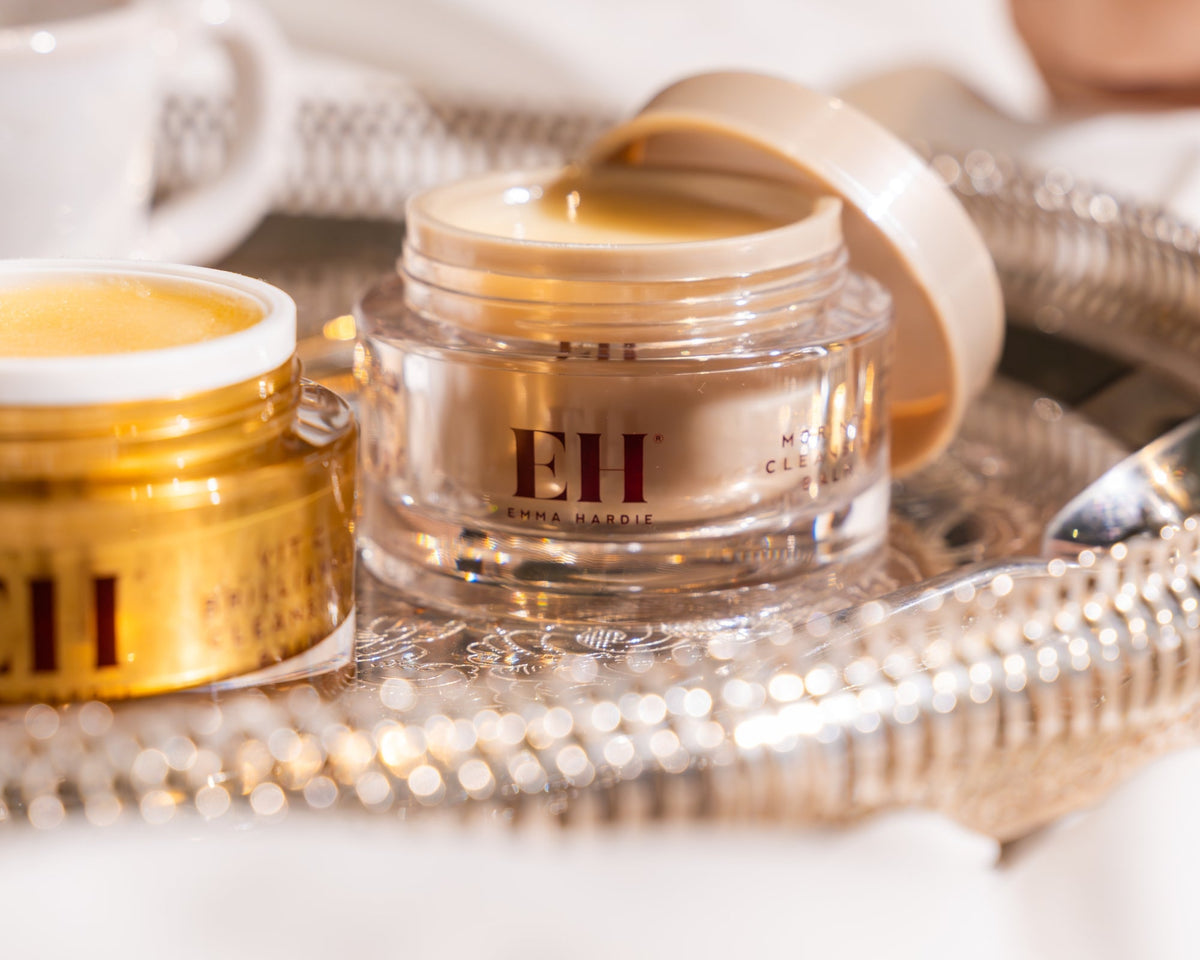
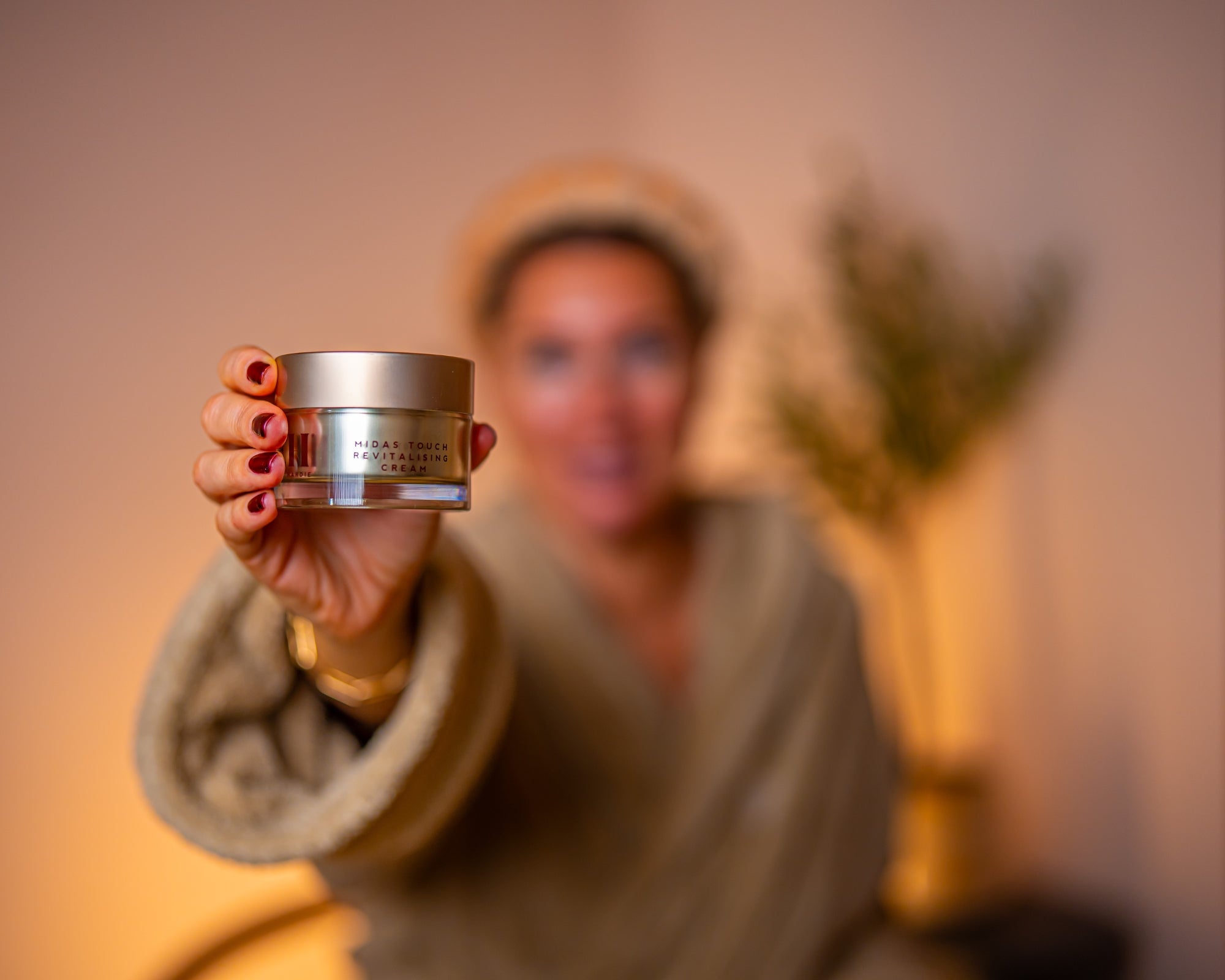
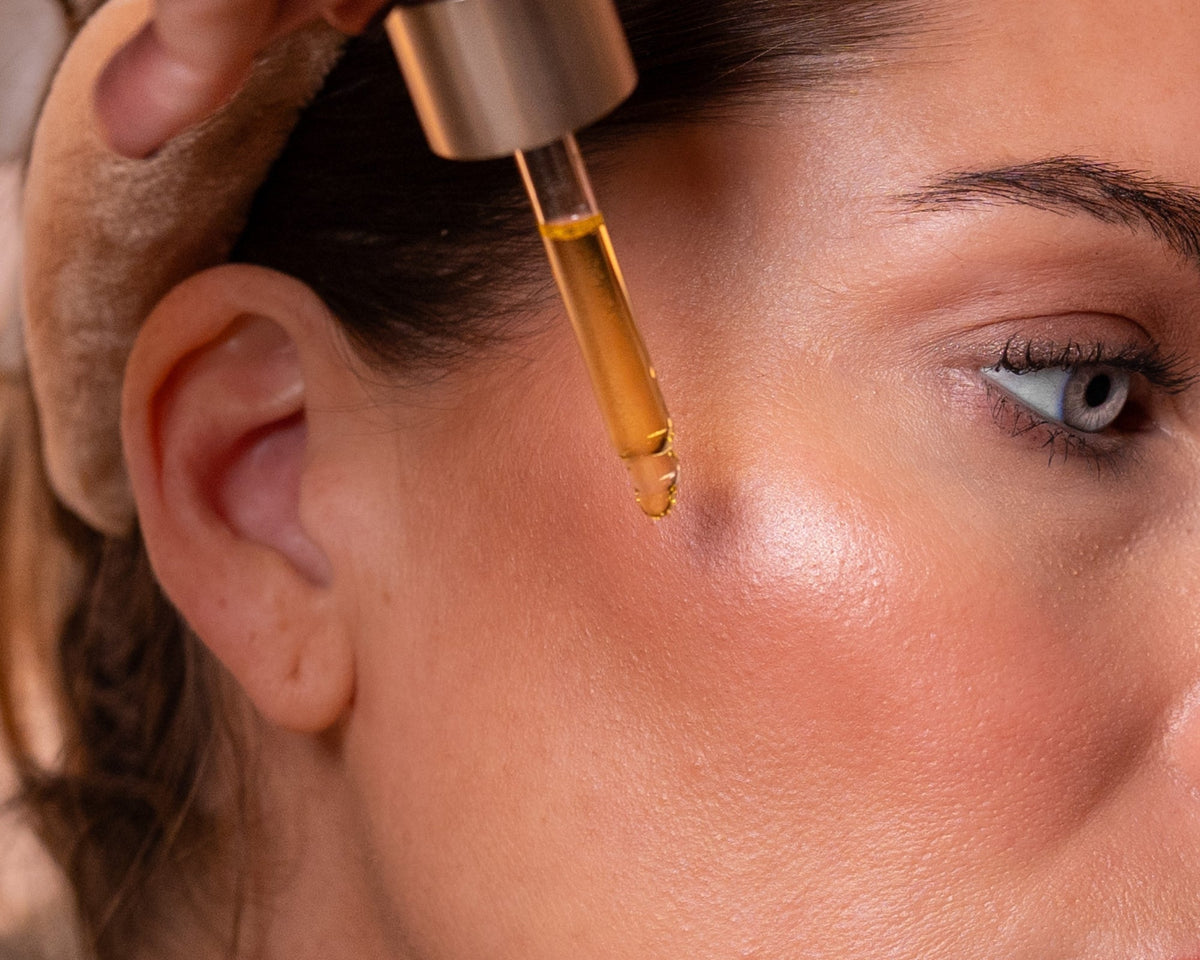
Retinol alternatives have never been more worth exploring, especially if your skin feels sensitive, dry, reactive or easily unsettled. This guide walks you through what ageing skin needs from a routine, which actives are worth getting to know, and how to build a simple morning and evening approach that supports radiance and resilience without the recovery time. Think of it as a facialist's perspective on looking after your skin with real skill and a little more softness. Why so many people are looking for retinol alternatives If you've ever woken up to red, flaky skin after introducing retinol into your routine, you'll already understand why so many people are quietly looking for a gentler way forward. The promise of smoother, firmer, more radiant skin is genuinely compelling — but not when it means weeks of irritation, heightened sensitivity, and a complexion that looks worse before it looks better. It's one of the most common concerns we hear at Emma Hardie, and it's entirely valid. Retinol can be effective, but it's also one of the more demanding actives to tolerate, particularly for mature or sensitive skin that's already contending with dryness, thinning, or a weakened barrier. For many people, the side effects simply aren't worth it. That said, ageing skin does deserve real support. The question isn't whether to address it — it's whether a strong retinoid is the only way to do so. It isn't. Skin at every stage responds beautifully to the right combination of nourishment, targeted actives, and skilled application. Our approach at Emma Hardie has always been rooted in facialist expertise rather than aggressive intervention. The linear massage method at the heart of our practice — developed to encourage circulation and lymphatic flow — works in harmony with formulations built to strengthen and restore over time. That's what the Emma Hardie approach is really about: visible results that don't come at the cost of comfort. The gentle retinol alternatives we explore throughout this guide reflect exactly that thinking. If you're ready to rethink your skincare routine, this is a good place to start. What ageing skin actually needs from a routine When skin begins to feel less bouncy, more uneven or a little reactive, it rarely means it needs one stronger ingredient. From a facialist's point of view, ageing skin usually responds best to steady, thoughtful care that keeps it comfortable while supporting radiance over time. That is very much the Emma Hardie way, and one reason retinol alternatives can be such a helpful choice. A well-rounded routine tends to support a few essentials: Hydration and moisture retention to help skin look plumper, smoother and naturally fresher Barrier strength and resilience so skin is better able to stay calm, balanced and less prone to dryness Radiance and circulation support through massage and nourishing formulas, helping skin look brighter and more revived Ongoing renewal support with ingredients that encourage a refined texture and firmer feel without tipping skin into discomfort Daily environmental protection with antioxidants and SPF to help preserve clarity and reduce the look of future unevenness This is where gentle retinol alternatives come into their own. A retinol substitute for sensitive skin does not have to mean lower expectations. Bakuchiol for ageing skin is often chosen because it supports smoother-looking, more even skin in a gentler way, while peptides and vitamin C can help with firmness and glow. Most importantly, consistency counts. A routine you enjoy using morning and evening will often do more for skin than an intensive product you have to keep stopping. Pairing your chosen actives with daily protection, such as options in our moisturisers and SPF collection, helps create the kind of balanced foundation skin can truly thrive in. The gentler actives worth knowing: bakuchiol, peptides and vitamin C If retinol has ever left your skin looking flushed, feeling tight or generally a little overwhelmed, it helps to know there are gentler options. In the treatment room, we often find that ageing skin responds best to steady support rather than being pushed too hard, too quickly. That softer, more considered approach sits at the heart of Emma Hardie's facialist heritage, and it is exactly why so many people are now exploring retinol alternatives. Three actives are especially worth knowing about: Bakuchiol. A plant-derived ingredient from the babchi plant, bakuchiol is often mentioned among the most promising gentle retinol alternatives. Bakuchiol is often chosen as a gentler alternative to traditional retinoids, helping support smoother-looking texture and a more refined-looking complexion over time. With regular use, skin can feel smoother and look more refined. Peptides. These are supportive, skin-compatible ingredients that help skin feel stronger, bouncier and better cushioned. If your complexion is beginning to seem less supple or a little fragile, peptides can be a very helpful part of the picture. The change is usually gradual, but that quiet improvement in softness and resilience is often exactly what mature or sensitive skin needs. Vitamin C. When dullness, uneven tone or a tired-looking complexion is the main concern, vitamin C is one of the most useful ingredients without retinol. It helps bring back clarity and radiance little by little. Within the Emma Hardie range, Midas Touch Super Serum is a thoughtful treatment step for skin that wants more support. It brings together bakuchiol, Vitamin C, niacinamide and moisture-binding ingredients to help skin feel smoother, more cushioned and more resilient.  Our Exfoliating Brightening Tonic can also support a gentle renewal step. It helps refine texture and restore radiance, making it a useful partner when skin looks dull or feels less smooth. If  brightness is where you would like to begin, our Vit C Radiant Renewal Serum is a lovely, facialist-approved option. As with most retinol substitute for sensitive skin choices, results tend to build with consistency. Over several weeks, skin often looks brighter, feels softer and appears more even in tone, without the recovery time harsher actives can demand. How to choose a retinol alternative that suits sensitive or ageing skin When you are choosing between retinol alternatives, think like a facialist: start with what your skin is telling you, then build from there. At Emma Hardie, that gentler, more considered approach matters. Skin tends to respond best when you support it consistently, rather than pushing it into recovery. If your skin is sensitive, reactive or feeling depleted, you might begin with an oil. A well-balanced facial oil can cushion the skin barrier and bring comfort while introducing gentle, age-supporting botanicals in a nourishing way. If your goal is a more focused treatment step, a serum is often the best fit. This is where ingredients such as bakuchiol for ageing skin or peptides can sit beautifully, especially if you prefer a lighter texture. If your skin is dry or easily unsettled, a cream with supportive actives may feel easiest to live with, giving you hydration and treatment in one reassuring layer. Whatever format you choose, it helps to introduce it slowly. Two or three evenings a week is plenty at first. Give your skin time to settle before increasing frequency. It also helps not to combine too much too soon. Even gentle retinol alternatives can feel less comfortable if you add them alongside exfoliating acids or a strong vitamin C all at once. A simple facialist principle is to add one new active, then wait four to six weeks before changing anything else. If you are exploring textures and tolerance, our serums and facial oils are a helpful place to start, especially when paired with a few minutes of Emma Hardie's signature linear massage method. A gentle routine that supports radiant, resilient skin without the recovery time Building a gentle routine around retinol alternatives need not feel complicated. For ageing skin, it is often consistency, comfort and skilled touch that make the visible difference, not a harsher line-up that leaves skin needing recovery time. In the evening, begin with a thorough cleanse. Our cleansing balm melts away the day without leaving skin feeling stripped, while a few slow, upward strokes help encourage relaxation and support the facialist-led ritual at the heart of Emma Hardie. Cleansing in this way creates the ideal first step before treatment. Next, apply the active that suits your skin best. If you are exploring gentle retinol alternatives, bakuchiol for ageing skin is a beautiful evening choice, while peptides can help support skin that feels less firm or resilient. Follow with a nourishing moisturiser to comfort the skin and keep hydration in place overnight. Come morning, keep the routine simple and steady: a light cleanse, a vitamin C serum, moisturiser, and daily SPF. This combination helps protect radiance and supports skin that looks fresh, supple and well cared for. What brings the whole routine together is the Emma Hardie philosophy. Ethically sourced botanicals, cruelty-free formulations and the restorative power of touch all work in harmony with the skin, rather than pushing it beyond comfort. For anyone looking for a retinol substitute for sensitive skin or other anti-ageing ingredients without retinol, this is a beautifully balanced place to begin: calm, luminous skin that looks supported, never stressed.

Learn more
facial massage at home

Facial Massage at Home: The Emma Hardie Linear Method

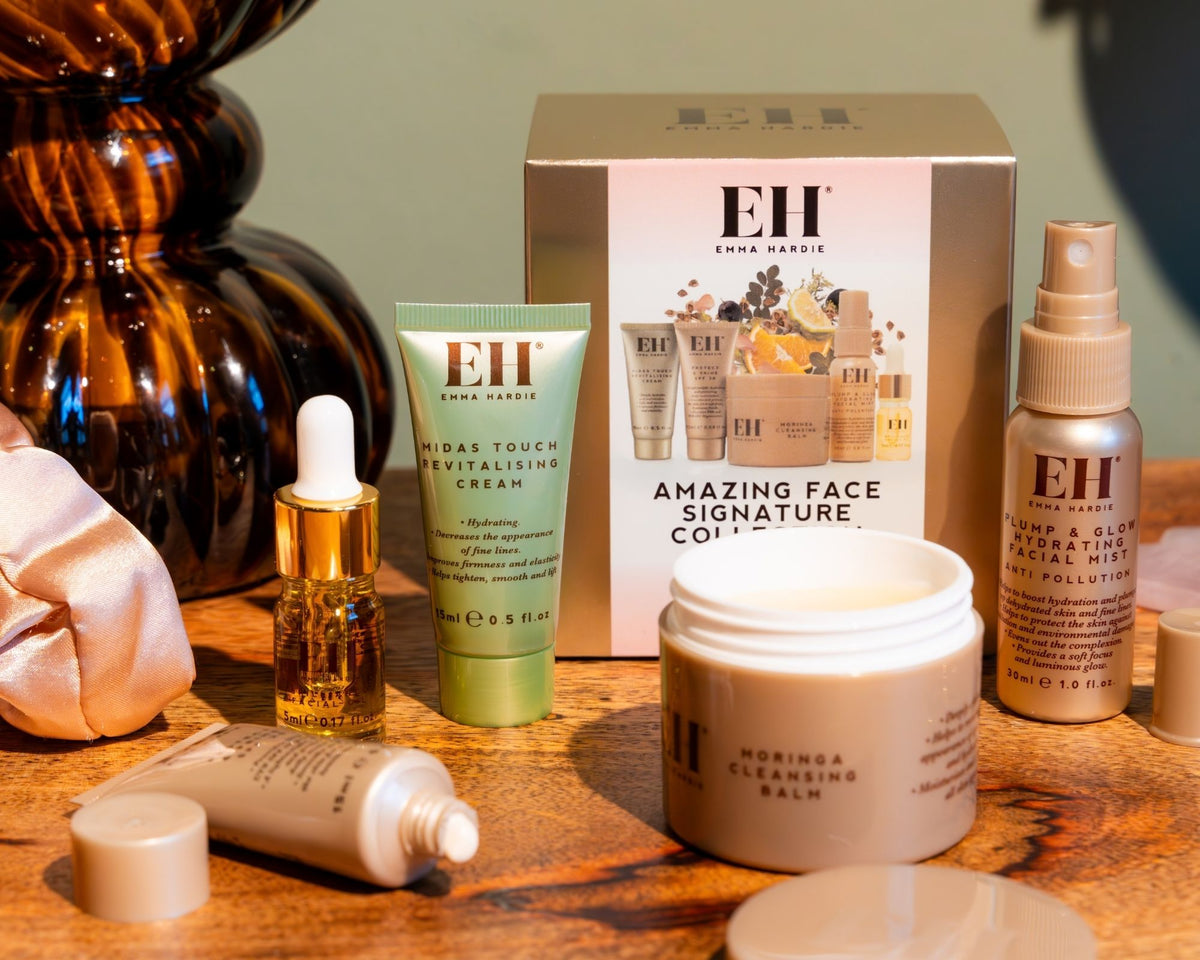
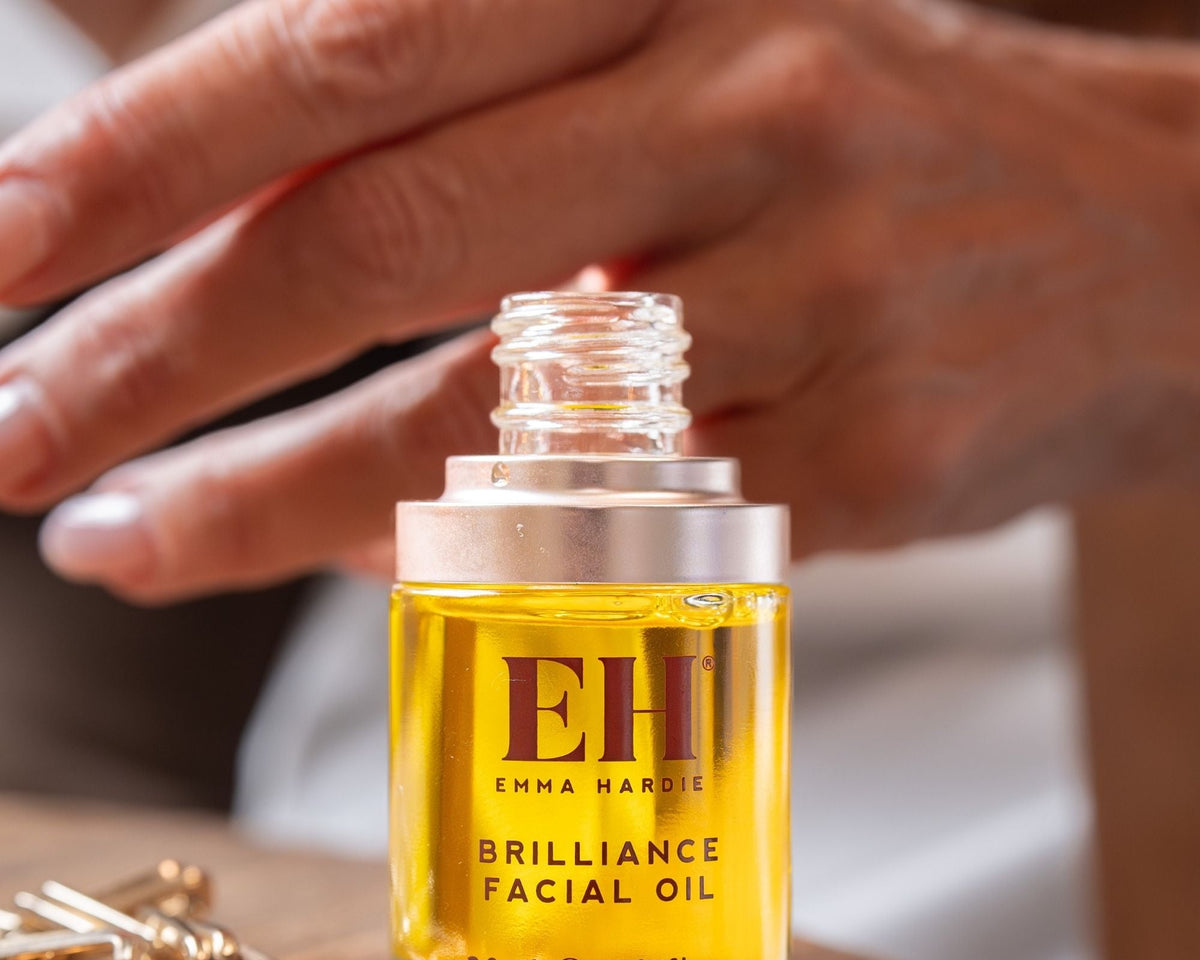
Facial massage can make your skincare routine feel more intentional, more sensorial and more supportive of the skin. This guide gives you a clear, structured technique to follow, from preparing the skin properly to moving through each step with confidence. Whether you are entirely new to face massage or looking to refine what you already do, what follows will help you build a simple, repeatable ritual that delivers a genuinely visible difference. Why facial massage at home can make such a visible difference The results that follow a professional facial are unmistakable: skin that looks more awake, contours that appear subtly lifted, a surface that feels softer and more receptive. What many people don't realise is that the visible freshness after a facial often comes from the combination of touch, technique and the right texture on the skin.  Facial massage at home, practised with the right technique, can recreate many of those same effects between appointments. Daily life can show on the face in small ways. Tension quietly accumulates in the jaw, the forehead, and around the eyes. Lymphatic flow slows when we're sedentary or stressed, leaving skin looking dull or faintly puffy, especially first thing in the morning. Circulation becomes sluggish. Skincare sits on the surface rather than being properly absorbed. Gentle, consistent movement helps to encourage lymphatic drainage, ease the habitual tension held in the facial muscles, and create the kind of warmth and receptivity that allows a serum or oil to work more effectively. No complicated steps required. If you've ever wondered whether learning how to do a facial massage is genuinely worth the effort, the answer is yes. And with the right method behind you, it's far simpler than you might expect. What makes the Linear Massage Method different from a general face massage Many face massage techniques feel a little vague, with a bit of rubbing here and some tapping there, but no clear path to follow. Emma Hardie's Linear Massage Method is different. Shaped by decades of hands-on facialist practice, it gives facial massage at home more structure, so each movement has purpose. At the heart of the method is one guiding principle: strokes move upward and outward. Rather than dragging the skin in different directions, this approach works with the natural shape of the face. It can help encourage the look of better flow through areas that often hold tension or puffiness, while supporting a smoother, more refined finish. In simple terms, it is less about random rubbing and more about guiding the skin with steady, thoughtful movements. That consistency is what makes the technique feel so distinct. Instead of focusing on one area in isolation, the Linear Massage Method treats the neck, jawline, cheeks and brow as connected. The result is a face massage at home that feels calming, controlled and more polished in its effect. What sets it apart from a general face massage? Clear direction: strokes work upward and outward, rather than moving randomly Lymphatic drainage face massage principles: movements are designed to help ease the look of puffiness Anatomy-led technique: each stroke follows the natural contours of the face Gentle, measured pressure: enough slip and contact to be effective, without pulling or overstretching A holistic approach: the whole face and neck are considered together for a more balanced-looking result If you are learning how to do a facial massage, having a method matters. It turns a pleasant ritual into one that feels intentional and easier to repeat. Paired with products that give skin the right slip, such as our Amazing Face Signature Collection, the experience feels even more effortless and nurturing. How to prepare skin before you begin Good preparation is what makes facial massage at home feel effective from the first sweep. When skin is freshly cleansed, gently warmed and cushioned with the right slip, your hands can glide with control rather than drag across the surface. That matters, because the Linear Massage Method is all about precise, flowing movement. Before you begin, take a minute to set the skin up properly: Cleanse thoroughly first. In the evening, massage Moringa Cleansing Balm onto dry skin to melt away make-up, SPF and daily build-up. Add a little warm water, then remove with the Emma Hardie Dual Action Cleansing Cloth. Use the microfibre side first to lift away balm and impurities, then follow with the cotton muslin side for a gentle polish.  If you have worn heavier make-up, reapplied SPF or spent time in city air, you may choose to follow with a second gentle cleanse.  Rinse the cloth, soak it again in warm water and press it gently over the face for 20 to 30 seconds to help skin feel softened and ready for massage.  Pat dry, leaving the skin warm but not wet Apply an oil or serum evenly over the face and neck Get comfortable somewhere quiet, where you can give yourself two or three uninterrupted minutes One of the most common mistakes with face massage at home is starting on dry skin. Without enough slip, the hands create friction, and friction can tug at delicate skin instead of supporting the smoother, more lifted-looking finish you want. Too much pressure tends to make that worse. If you are learning how to do a facial massage, think less force, more glide. This is exactly where our Brilliance Facial Oil comes in. It gives beautiful slip for massage, helping your hands move cleanly through each line of the technique, while the nourishing blend leaves skin feeling supple and comforted. Used this way, it turns preparation into part of the ritual rather than a separate step. If you remember one thing before starting your facial massage at home, let it be this: warm skin, a light touch and the right oil create the loveliest conditions for the method to work beautifully. Step-by-step: how to do the Linear Massage Method at home Once your skin is prepared, you're ready to begin. The Linear Massage Method is built around slow, intentional movement — always working with the natural structure of the face, never against it. Practised consistently, this approach to facial massage at home can make a genuine, visible difference to tone, lift, and radiance over time. Start at the centre of the forehead. Place both palms flat against the centre of your forehead, fingertips lightly touching. Using light-to-medium pressure, glide both hands outwards towards the temples in one smooth, unhurried stroke. Repeat three times. Work across the eye area with care. Using your ring fingers only, begin at the inner corners of the eyes and sweep gently outwards along the brow bone, then beneath the eye back towards the inner corner. This is the most delicate area of the face, so keep the pressure feather-light and the pace slow. Move to the cheeks and mid-face. Place your fingertips at the sides of the nose and glide outwards across the cheekbones towards the ears. Use a firm but comfortable pressure here, working in long, linear strokes rather than circular movements — this is the defining characteristic of Emma Hardie's technique. Define the jawline. Using your knuckles or the flat of your fingers, begin at the centre of the chin and work outwards along the jaw in a firm, lifting stroke. Keep the pressure travelling upwards and outwards rather than down. Repeat four times on each side. Lift from the neck upwards. Place both palms flat against the sides of the neck and glide upwards towards the jaw in long, smooth strokes. This encourages healthy circulation and supports the kind of lymphatic drainage that leaves the face looking clearer and less puffy over time. Finish at the temples. Complete each full sequence by pressing gently into the temples with your fingertips and holding for a moment. It signals the end of the ritual and encourages a sense of release across the whole face. If at any point your hands aren't gliding freely, pause and and add a few more drops of facial oil or serum.   Dragging the skin, particularly around the jaw and cheeks, works against the lift you're trying to encourage. The skin should feel cushioned enough for your hands to move smoothly through each stroke.  A few things to watch for as you practise: Rushing through the steps rather than holding a steady, intentional rhythm Working on dry skin without sufficient product, which can cause friction and irritation Applying too much pressure around the eye area, where the skin is at its thinnest Directing strokes downward around the jaw or cheeks, which undoes the lifting effect you're working towards Practised regularly, these facial massage techniques help the face look progressively smoother, more lifted, and genuinely well-rested. How to avoid the most common facial massage mistakes Even with the best intentions, facial massage at home can feel less effective if a few simple habits slip in. The reassuring part is that most are easy to correct, and small adjustments often make the technique feel smoother, more supportive and far more rewarding. One of the most common is using too much pressure. A good facial massage should never feel forceful. Let the weight of your fingers do the work so the skin glides comfortably, without redness or tenderness afterwards. Another is massaging on dry skin. Whether you are using an oil, balm or moisturiser, there should always be enough slip to prevent tugging. If the skin starts to drag, pause and apply a little more product before continuing. It is also easy to overwork one area, especially around the jaw or cheeks where tension tends to gather. In practice, this can create more puffiness rather than encourage the softening and drainage you want. Following the sequence and keeping the repetitions even tends to serve the skin better. Direction matters too. In the Linear Massage Method, movements are designed to travel upward and outward to support the contours of the face. Downward, collapsing strokes can work against that lifted-looking finish. Finally, try not to rush, and carry the movements through to the neck rather than stopping at the chin. Slow, measured movements give the muscles and lymphatic pathways time to respond, while including the neck and décolletage helps complete the flow of a lymphatic drainage face massage properly. If your face massage at home feels calm, rhythmic and comfortable, you are usually on the right track.  Building facial massage into a simple, repeatable routine The most effective rituals are the ones you can actually keep. Facial massage at home works best when it feels less like another step to tick off and more like a moment you genuinely look forward to. Two to three sessions a week is a realistic, rewarding rhythm for most people. If you're new to the technique, begin with five minutes in the evening after cleansing, when the skin is warm and there's no reason to rush. Once the Linear Massage Method starts to feel natural, you may find a shorter version in the morning earns its place too — a gentle way to encourage lymphatic drainage, ease overnight puffiness, and bring some life back to the complexion before the day begins. In terms of where massage fits within your routine, it belongs after cleansing and before serums or moisturiser. The skin needs enough slip for smooth, linear strokes without any drag or resistance, which is why a few drops of a nourishing facial oil make such a difference here. The whole ritual becomes more instinctive when the products you reach for are chosen with that in mind. As your confidence builds, it's worth considering how the rest of your skincare supports the work you're doing with your hands. The right textures, ingredients, and application order all play their part in the results you see over time. Our build your routine guide is a helpful next step if you'd like to bring everything together in a way that works for your skin. Small, consistent moments compound quietly. That's the thinking behind everything Emma Hardie teaches.

Learn more
SPF number for face

SPF 30 or SPF 50: Which Is Right for Your Face?

Choosing the right SPF for your face can feel simple, until you start comparing formulas, finishes and protection levels. This guide cuts through the confusion: you will find clear guidance on SPF 30 versus SPF 50, the real reasons daily sunscreen so often gets skipped, and what to look for in a formula you will genuinely want to wear. Consider it a facialist's approach to building sun protection into your morning in a way that feels effortless, comfortable and entirely sustainable. Which SPF is right for your face?  If you have ever wondered which SPF is right for your face, you are not alone. It's one of the most common questions we hear, and the answer is far more straightforward than the shelves might suggest. For everyday face care, SPF 30 is the minimum most dermatologists and skin experts recommend. It filters around 97% of UVB rays and offers reliable daily protection whether you're commuting, moving between meetings, or simply sitting near a window. Our Protect and Prime SPF 30 was developed with exactly this kind of wear in mind — a formula that sits lightly on skin and slots into your routine without any fuss. SPF 50 becomes the smarter choice as UV exposure increases. Summer months, high-altitude travel, extended time outdoors, or skin that tends towards sensitivity — these are the moments when that extra coverage earns its place. It filters roughly 98% of UVB rays, which sounds like a marginal difference until exposure is prolonged. Then it matters. The right SPF for your face is the one that feels comfortable enough to use every morning. Consistency will always count for more than chasing the highest number on the label. The rest of this article will help you decide which level suits your skin and lifestyle, what to look for in a formula you'll genuinely enjoy wearing, and how to build a daily routine that makes SPF feel effortless rather than like yet another step. Why many people still skip SPF every day Most people do not skip SPF because they do not know they need it. They skip it because, on the face, it can be surprisingly hard to live with. A morning routine should feel effortless and supportive of skin, not heavy, sticky or frustrating from the moment you apply it. The most common reasons are familiar: a white cast that changes the look of the skin, especially on deeper complexions greasiness or excess shine that appears well before the day has properly begun pilling under foundation or tinted moisturiser a thick texture that seems to sit on the surface rather than melt in uneven layering over serums and moisturiser, which can affect both finish and coverage that unmistakable sunscreen scent, which can make the whole step feel clinical rather than considered These are not minor complaints. In a facialist-led routine, where each layer works in harmony with the next, comfort matters. That is very much part of the Emma Hardie approach: skincare should support radiance and consistency, so it becomes something you want to do every day. So while people often ask what SPF number is best for face, the question worth adding is whether the formula feels wearable enough to use properly. If daily sunscreen for face feels comfortable, blends well and sits happily under make-up, it is far more likely to become a habit.  How to choose between SPF 30 and SPF 50 for your skin and lifestyle Choosing between SPF 30 and SPF 50 is less about chasing the highest number and more about understanding your skin, your routine and the kind of light exposure your day really brings. From a facialist's point of view, what SPF number is best for face comes down to two simple things: how easily you pigment or burn, and how likely you are to apply generously and reapply when needed. SPF 30 is often enough for: everyday city wear and commuting office days with only brief time outside cooler months or lower-UV, overcast days deeper skin tones during periods of less intense sun SPF 50 is usually the wiser choice for: outdoor walks, runs and exercise holidays, beaches and long stretches in direct sun sensitive, reactive or rosacea-prone skin fair skin, or skin that feels more vulnerable after professional treatments high summer, especially around midday A helpful thing to remember is that the best SPF for face is the one that becomes a natural part of your morning. If SPF 30 feels comfortable, sits beautifully under make-up and you use enough of it every day, it can serve you far better than an SPF 50 that feels heavy and gets left on the shelf. Just as important as the number is the way you wear it. Apply it evenly, use enough to cover the full face, and reapply every two hours when you are outdoors. If you are choosing a daily sunscreen for face, it helps for it to feel elegant, breathable and easy to live with.  What to look for in a face sunscreen so you'll actually wear it Knowing what SPF number is best for face matters, but wearability matters just as much. Even the best SPF for face will be neglected if it feels thick, looks chalky, or starts to pill beneath moisturiser or make-up. In a real routine, comfort is what turns good intentions into consistency. When choosing a daily sunscreen for face, look for a formula that feels easy from the first application: Lightweight or fluid, so it sinks in quickly without feeling heavy Invisible on skin, with no white cast across different skin tones Comfortable and non-greasy, with a finish that wears well through the day Easy to layer under moisturiser, foundation or concealer without rolling Supportive of skin, with nourishing ingredients that help skin feel cared for Gentle enough for skin that can be sensitive or reactive From a facialist's point of view, this is where formulation really matters. Emma Hardie treatments have always been built around touch, ease and ritual, including the brand's signature linear massage method, which works best when products glide beautifully and sit comfortably on the skin. An SPF that applies smoothly and leaves a fresh, polished finish is far more likely to become part of your morning habit. That fits perfectly with the Emma Hardie philosophy too: skincare should feel pleasurable, look radiant and work with real life, not against it. So if you are wondering what SPF you should use on your face, choose the level of protection that suits your day, then look for a texture and finish you will genuinely enjoy wearing. You can explore our moisturisers with SPF if you want face protection that layers beautifully into a daily routine. Building a simple daily face SPF routine that feels effortless The simplest way to make SPF a natural habit is to treat it as the final step in your morning skincare, after cleansing, serum and moisturiser, and before make-up. In our facialist approach, that last layer is part of caring for skin with calm consistency: comfortable protection that fits effortlessly into real life. If you are wondering how much SPF for face is enough, think more generously than most people do. Around two finger lengths for face and neck is a useful guide, applied evenly and pressed in across the forehead, cheeks, nose, chin, neck and décolletage. If you are out in strong sun, reapply every two hours, and again after swimming or heavy perspiration. In summer, keep the routine easy. Cleanse, apply your moisturiser, then smooth on your daily sunscreen for face using light upward strokes inspired by Emma Hardie's linear massage method, so application feels like a moment of care rather than a chore. Choose a texture that sits well under make-up and feels good on your skin, because that is what makes daily use sustainable. So, what SPF number is best for face? In truth, the best SPF for face is the one you will wear every morning, whether that is SPF 30 or SPF 50. If you would like to refine the rest of your routine around it, our guide is a lovely next step.

Learn more
Hydration skincare products for dry skin

Dehydrated vs Dry Skin: How to Tell the Difference

Skin that feels tight, flat or uncomfortable, and the dullness that still lingers after moisturiser, are two of the most common skin concerns we hear, yet the difference between dehydrated vs dry skin is one that makes all the difference to how you care for your complexion. In this article you will find simple at-home checks to read what your skin is really telling you, a clear look at the causes behind each condition, and facialist-led guidance on building a routine that restores comfort, radiance and lasting balance. Dehydrated or dry skin? How to tell what your skin is really asking for A patch of flaking skin that no amount of moisturiser seems to fix. A dullness sitting just beneath the surface, making your complexion look flat no matter what you apply.  If any of this sounds familiar, your skin is trying to tell you something — and the first step is understanding whether you're looking at dehydrated or dry skin, because the two are quite different, and so is the way you care for them. Dry skin is usually a skin type. It tends to produce less oil naturally, which can leave skin feeling rough, tight or short on comfort. Dehydrated skin is a condition, and a temporary one at that. It's about water, not oil — which means it can affect any skin type, oily skin included. A simple at-home check can help you begin to read the signs. Gently pinch a small section of skin on your cheek, hold it for a moment, then release. If it springs back smoothly, your skin is likely well hydrated. If it takes  a moment  to settle, or fine lines briefly appear across the surface, your skin may need more hydration. Dry skin often feels rough, tight or lacking softness more consistently, sometimes often with visible flaking or a dull, lacklustre tone. Whether your skin is dry, dehydrated or showing signs of both, the right routine can help bring back comfort, softness and radiance. If you recognise either picture, our dull, dry and dehydrated collection is a thoughtful place to begin. Dry or dehydrated? The key differences  Telling dehydrated skin apart from dry skin isn't always straightforward. The two share enough in common to cause confusion. Both can leave skin feeling uncomfortable and looking a little flat, but their causes are different, and so is the way you care for them. Dry Skin Dehydrated Skin Rough, flaky texture that feels uneven to the touch Feels tight and papery, though the surface may still look smooth Feels stripped immediately after cleansing, regardless of formula Feels tight even when your routine seems right A permanent skin type, present all year round A temporary condition that shifts with lifestyle, season, or environment Visible flaking, rough patches, and a dull or ashy tone Fine lines appear more pronounced; skin looks flat and lacks radiance Skin feels persistently parched and lacks softness Skin lacks bounce and can look slightly sunken or hollow A few simple checks at home can help you read what your skin is actually telling you: The pinch test: Gently pinch the skin on your cheek. If it takes a moment to spring back, dehydration is likely a factor. The hour check: Apply your usual moisturiser, then check in after an hour. Still feeling tight? Your skin may need more hydrating layers underneath your moisturiser, not just a richer cream on top.  Fine lines after expression: Smile or squint gently. Dehydrated skin often shows a web of faint surface lines that soften once hydration is restored. Post-cleanse feel: Dry skin tends to feel uncomfortable straight after cleansing, no matter how gentle the product. Dryness and dehydration are also different from sensitivity or eczema.  If your skin is consistently red, reactive, or irritated, that deserves its own conversation with a professional. Why skin becomes dehydrated — and why dryness can be more constant The key difference between dry and dehydrated skin is where the concern begins.   Dehydrated skin is usually a temporary condition linked to water loss.   It can appear when skin loses moisture faster than it can hold onto it, which means it can affect  any skin type, including oily skin.  Dry skin tends to be more consistent, as it usually reflects lower natural oil production and the way your skin naturally behaves over time.  Why skin can become dehydrated   Harsh or overly foaming cleansers Over-exfoliation, which can leave the barrier feeling unsettled Central heating or air conditioning that dries the air around you Travel, especially flights with very low cabin humidity Sudden changes in weather or temperature Stress and fatigue, which can affect barrier function A weakened skin barrier that struggles to retain water   Why dry skin tends to feel more persistent   A naturally dry skin type, often linked to genetics Lower oil production, so skin has less lipid support A long-standing tendency towards tightness, flaking, or roughness that water alone will not fully correct Dehydration is about water loss, while dryness is about a lack of oil. The two can overlap, which is why dry vs dehydrated skin can sometimes feel confusing at first. You may have dry skin that also becomes dehydrated after travel, cold weather, or using products that are too active. This is also why your skin may not feel the same all year round. Understanding how skin changes throughout the seasons can make it much easier to tell whether you are seeing dehydrated skin symptoms or the more consistent signs of dry skin. What dehydrated skin needs versus what dry skin needs Once you know whether you are dealing with dehydrated vs dry skin, the next step is to match both texture and technique to what your skin is truly asking for. At Emma Hardie, that facialist way of working has always been about helping skin look comfortable, radiant and calm. Both dry and dehydrated skin can benefit from a careful balm cleanse. The first step in your routine should leave skin comfortable rather than depleted. Moringa Cleansing Balm melts from balm to oil to milk, lifting away makeup, SPF and daily build-up while helping skin feel soft, cushioned and supported. For dehydrated skin, this means cleansing without leaving the complexion feeling tight or unsettled. For dry skin, the richer texture brings a more nourishing feel from the very start of the routine, helping to support the skin barrier as you cleanse. From there, the routine can be adapted depending on what your skin needs.  If your skin is dehydrated, think in fine, breathable layers. Start with a water-binding serum or gel on slightly damp skin, looking for ingredients such as hyaluronic acid, glycerin, aloe vera or niacinamide. Follow with a moisturiser to cushion the barrier and help hold that hydration in place. This kind of layering matters because one light hydrating step plus one sealing step is often more effective than applying a very rich cream straight away, which can sit on the surface without addressing the lack of water underneath. If your skin is dry, it usually welcomes more lipids and lasting comfort. Richer creams, balms and facial oils are lovely here, especially formulas with shea butter, ceramides, squalane or nourishing botanical oils. You might layer from cream to oil if needed: cream first for moisture, then press a few drops of oil over the cheeks or other rough areas to soften and protect. Application makes a real difference too. Inspired by Emma Hardie's facialist heritage and linear massage method, warm the product between your hands, then press and smooth from the centre of the face outwards. This helps spread product evenly, encourages better contact with the skin, and eases the temptation to overapply. If you are choosing between care for dehydrated skin vs dry skin, our moisturisers and facial oils are a thoughtful place to begin. Build a routine your skin can settle into Once you understand whether your skin feels dry, dehydrated or a little of both, your routine becomes easier to shape. Start with a comfortable cleanse, then layer according to what your skin needs: hydration for skin that feels flat or less bouncy, and richer nourishment for skin that feels rough, flaky or short on softness. The aim is not to add more steps. It is to choose textures that help your skin feel calm, supported and comfortable. If discomfort persists, or skin becomes sore, itchy or inflamed, seek guidance from a dermatologist, GP or qualified skin professional.

Learn more