Skincare for Sensitive Skin: How to Calm Redness
Sensitive skin can feel unpredictable. One day it feels calm, the next it may look red, feel warm or react to products that usually feel fine.
At Emma Hardie, we believe sensitive skin needs simple, steady care. This guide explains why redness can happen, which everyday habits may make it worse, and how to build a calmer routine that supports the skin barrier without overwhelming it.
Redness, tightness, and skin that flushes at the slightest provocation can feel unpredictable and frustrating to manage. This guide will help you understand why sensitive skin reacts the way it does, which everyday habits may be quietly making things worse, and how a calmer, simpler approach to skincare for sensitive skin can make a lasting difference. At Emma Hardie, we believe in simple, steady care that supports the skin barrier without overwhelming it. From rebuilding your routine around barrier-supportive ingredients to knowing when it's time to seek professional advice, consider this your reassuring starting point.
Skincare for sensitive skin: where redness really comes from
If your skin has started flushing more easily, feeling tight after cleansing, or breaking out in patches of redness that seem to appear from nowhere, you are not imagining it. These are some of the most common concerns we hear from clients, and also some of the most misunderstood.
Redness can happen for many reasons. Sometimes it is a short-lived response to weather, heat, stress or a new product. For some skin, redness keeps returning or appears alongside warmth, stinging, bumps or discomfort. In those cases, it may be linked to a compromised barrier, rosacea, contact allergy or another skin condition, so it is best not to self-diagnose.
This distinction matters because skincare can support comfort, but it cannot replace professional advice. If redness is persistent, painful, spreading or difficult to explain, speak to a GP, dermatologist or qualified skin professional. For everyday sensitivity, the best place to start is a calmer routine: fewer steps, gentle cleansing, steady hydration and products that support the skin barrier without overwhelming it.
Sensitive skin has always been central to the Emma Hardie approach: calm, considered care that works with the skin, not against it. For redness-prone skin, that means keeping the ritual simple, avoiding unnecessary stress on the barrier and choosing textures that help skin feel comfortable and supported.
The most common triggers that quietly make redness worse
Redness can have different causes, from temporary irritation to ongoing sensitivity or a diagnosed skin condition. Whatever the reason, certain everyday habits can make redness-prone skin feel more unsettled. Learning to spot those triggers can help you build a calmer, more supportive routine.
- Fragrance heavy formulas — for some reactive skin, strong scent can feel like too much, whether synthetic or naturally derived. If your skin is actively unsettled, keep your routine simple and introduce sensorial products slowly, one at a time.
- Over-exfoliation — too frequent, or too abrasive, and you're disrupting the skin's surface layer, leaving it thin, tender, and far more prone to flushing.
- Strong actives — high-strength retinoids and acids can overwhelm a sensitised barrier, causing stinging and redness rather than the renewal they promise.
- Hot water — warm water feels soothing in the moment, but it dilates blood vessels and strips away the skin's protective oils, both of which worsen redness over time.
- Over-cleansing — cleansing twice a day with a formula that's too stripping removes the very lipids your skin needs to stay calm.
- Alcohol-based products — commonly found in toners and setting sprays, alcohol dehydrates and destabilises the barrier, leaving skin more vulnerable to everything around it.
Facialist tip: Cleansing itself is not the problem. At Emma Hardie, we believe in the art of cleansing: a careful, skin-respecting ritual that removes make-up, SPF and daily build-up without leaving skin feeling stripped. Redness-prone skin can become unsettled when cleansing is too frequent, too harsh or too rushed, so gentle hands and the right texture matter. If cleansing feels like the likely culprit, our calm guide to double cleansing is a helpful place to start.
How to build a simple routine that calms and protects
With skincare for sensitive skin, simpler is often kinder. When skin feels hot, blotchy, or easily upset, a facialist would usually scale everything back to the essentials: cleanse gently, add light hydration, moisturise well, and protect daily. That steady routine gives the barrier a chance to settle without the stress of too many active formulas competing for attention.
Morning routine
- Gentle cleanse. Start with a soft, non-stripping cleanser that removes overnight oil and residue without leaving skin tight or squeaky. For sensitive or redness-prone skin, a balm cleanser is often a good place to begin, as the cushioning texture helps cleansing feel more comfortable. Cream and milk textures can also work well, while very foamy formulas may feel too harsh for some skins.
- Hydrating layer. If your skin tends to feel dry, warm, or taut, an alcohol-free hydrating toner, essence, or serum can help take the edge off. Ingredients like glycerin, hyaluronic acid, oat, or aloe can all be useful, depending on what your skin tolerates best.
- Barrier-supporting moisturiser. Choose a moisturiser that feels soothing and protective rather than heavy. The aim is to reduce moisture loss and help skin feel less reactive through the day.
- Daily SPF. Sun exposure can quietly keep redness going, so daily protection matters.
Evening routine
- Cleanse with a light touch. In the evening, a balm cleanser can lift away SPF, make-up, and the day’s build-up beautifully when used with gentle hands. Emma Hardie’s facialist heritage is helpful here: slow, careful cleansing and the signature linear massage method can make this step feel soothing rather than overstimulating. If your skin needs it, follow with a second very mild cleanse.
- Keep treatment steps minimal. A simple serum with niacinamide,lotus flower extract, or other soothing ingredients may help support calmer-looking skin. If your skin prefers fewer layers, a nourishing facial oil can sometimes take the place of a more complicated treatment step.
- Moisturise well. Finish with a moisturiser that supports comfort and helps reduce moisture loss overnight. Choose the texture your skin tolerates best: some skins prefer a cushioning cream, while others feel calmer with a lighter, breathable layer.
If you are refining a sensitive skin skincare routine, it can help to look for formulas designed specifically to calm redness and support sensitive skin, rather than adding more and more products. Our Lotus Flower range is a helpful place to begin for skin that feels unsettled, reactive or prone to visible redness and congestion.
Facialist tip: introduce just one new product at a time, then give it a week or two before changing anything else.
A simple Emma Hardie ritual for sensitive skin
If your skin feels red, warm or easily unsettled, keep the ritual gentle, simple and consistent. At Emma Hardie, that means working with the skin, not overwhelming it with too many steps.
Step 1: Cleanse with care Begin with a soft, non-stripping cleanse. Moringa Cleansing Balm is a comforting choice. It melts away make-up, SPF and daily build-up while leaving skin feeling soft, cushioned and calm. Use gentle hands, and remove with the Dual Action Cleansing Cloth without rubbing or overworking the skin.
Step 2: Add a balancing treatment step If your skin feels unsettled, a lightweight serum such as Lotus Flower Treatment Serum can help support balance, hydration and a calmer-looking complexion. Keep this step simple and avoid layering too many active products at once.
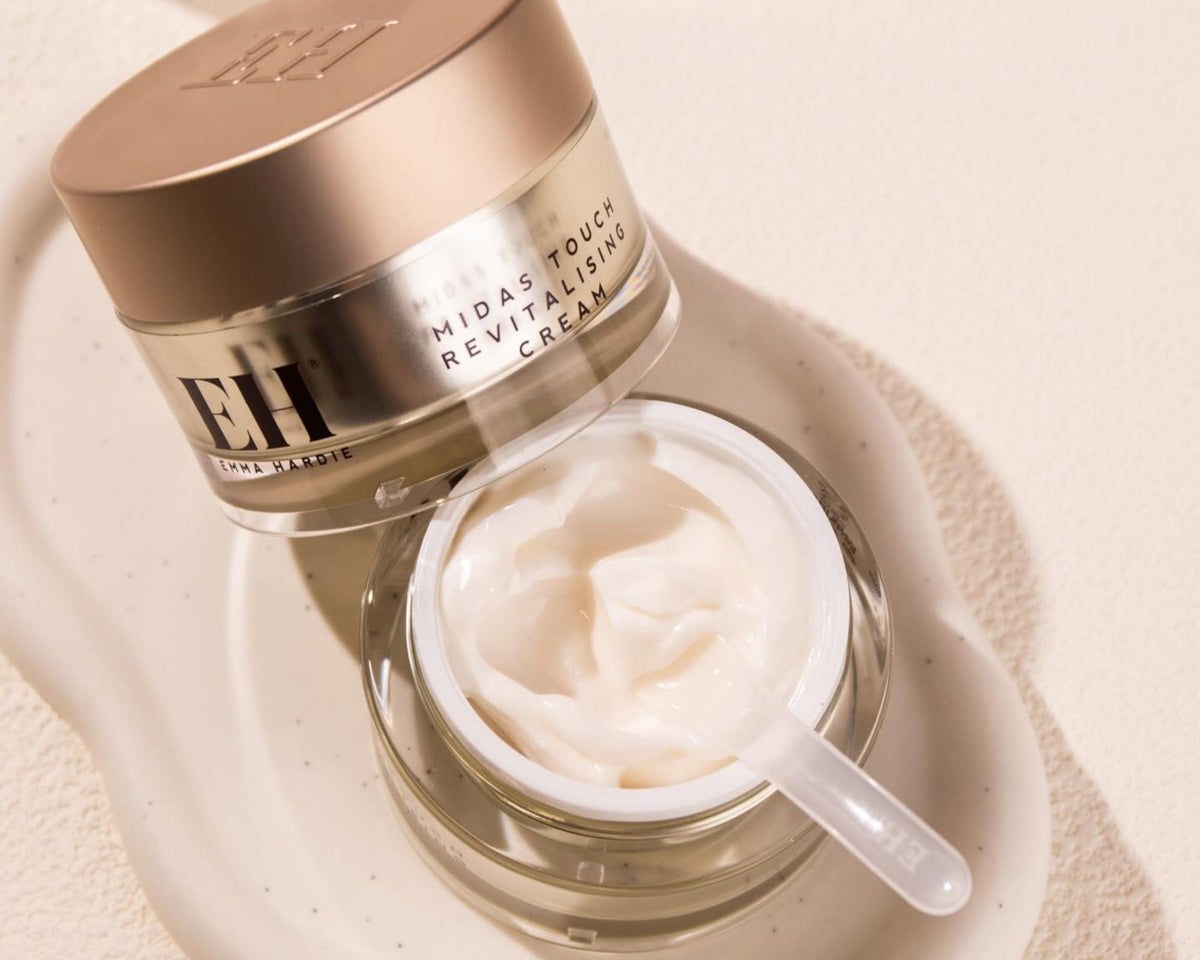
Step 3: Moisturise for comfort Follow with a moisturiser that helps skin feel supported and comfortable. Choose the texture your skin tolerates best. If your skin wants more cushion, Midas Touch Revitalising Cream can add a richer layer of comfort without making the routine feel complicated.
Step 4: Add oil only when skin wants more comfort If your skin feels dry or fragile, a few drops of Brilliance Facial Oil can be pressed gently over the skin or mixed into moisturiser. Avoid rubbing. Let the texture add comfort without making the routine feel heavy.
Step 5: Protect in the morning Finish your morning ritual with Protect & Prime SPF30. Daily SPF helps support redness-prone skin, especially when heat and UV exposure can make flushing look more noticeable.
One gentle reminder: introduce one new product at a time and patch test first, especially if your skin feels reactive. For sensitive skin, fewer, better steps will usually feel more supportive than a long routine.
What to avoid when your skin is reactive
With skincare for sensitive skin, what you leave out can matter just as much as what you use. When skin is red, hot or unsettled, more products rarely help. In most cases, a calmer complexion starts with doing less and giving your barrier space to recover.
What to avoid when skin is reactive:
- Aggressive exfoliation: face scrubs, cleansing brushes and strong acids can all push already delicate skin into further redness and stinging
- Too many active ingredients at once: layering retinol, vitamin C, exfoliating acids and blemish treatments together is a common reason skin becomes overwhelmed
- Fragrance-heavy formulas: when skin is actively reactive, strong scent can feel like too much. If you are introducing a scented or aromatic product, patch test first and add it slowly, one product at a time.
- Alcohol-led toners: these can leave skin feeling tight, dry and more vulnerable
- Hot water: heat can make flushing look and feel worse
- Constantly changing products: if you introduce several new formulas at once, it becomes very hard to tell what your skin is objecting to
If you are unsure what has caused the reaction, strip your routine back to the basics for a few days: a gentle cleanser, a moisturiser your skin already tolerates, and SPF in the morning. Once skin feels calmer, you can reintroduce treatment steps one by one.
Once skin feels calmer, you can start to build your ritual back up. Add one product at a time and give your skin a few days before introducing the next step. This is where gentle treatments can have a place again, especially if skin feels congested, uneven or a little dull.
A gentle exfoliating tonic, such as Exfoliating Brightening Tonic, can help refine the skin’s surface without relying on harsh scrubs. Start slowly, especially if your skin has recently felt reactive.
Clay masks can be beneficial for sensitive skin when used the right way, but timing matters. Clay is helpful for congestion or excess oil, but it can be too drying when your barrier is already compromised. Save clay masks for times when your skin feels calmer, or use them cautiously if you know your skin tolerates them well. Our clay detox mask is a good option for less reactive days.
When redness needs more than skincare
Sometimes, even the most thoughtful skincare for sensitive skin is not enough on its own. If your redness is persistent, feels hot or painful, or keeps returning despite simplifying your routine, it is worth speaking to a GP or dermatologist. Redness that does not settle, spreads, or comes with swelling, itching, or real discomfort can point to an underlying condition — rosacea, perioral dermatitis, or a contact allergy — all of which benefit from a proper diagnosis rather than continued trial and error.
Rosacea is particularly easy to misread as general sensitivity. It tends to flare with heat, alcohol, spice, and stress, and may involve visible broken capillaries or small bumps across the cheeks and nose. A dermatologist can confirm what you are dealing with and discuss options that go beyond topical skincare alone.
If you suspect a specific product or ingredient is behind a reaction, patch testing with a professional can offer real clarity. This is especially useful if your skin has become increasingly reactive and you cannot quite pinpoint why.
For everything else, the path forward is a calm one. Start simply, stay consistent, and resist the urge to layer products in search of faster results. A well-supported barrier, built gradually over weeks rather than days, is the most reliable foundation for skin that genuinely feels comfortable in itself. There are no shortcuts, but there is a clear direction.
When you are ready to take that first step, explore our sensitivity and redness collection for gentle, purposeful formulations created with reactive skin in mind.
Frequently Asked Questions
What do dermatologists recommend for sensitive skin?
Dermatologists generally recommend a simple, gentle routine for sensitive skin: cleanse softly, add light hydration, moisturise well and wear daily SPF. It also helps to avoid over-exfoliation, strong actives, fragrance, alcohol-based products and hot water, while introducing only one new product at a time.
How do I care for my sensitive skin?
Care for sensitive skin by keeping your routine simple and consistent: use a gentle cleanser, light hydration if needed, a barrier-supporting moisturiser and daily SPF. Avoid harsh exfoliation, strong actives, hot water and too many new products at once, and seek professional advice if redness stays persistent or painful.