How to Support Skin Through Menopause
Menopause can bring a shift in how skin feels, looks and responds — and finding the best skincare for menopausal skin is less about overhauling everything at once and more about choosing the right textures and formulas for where your skin is right now. This guide covers the cleansing, moisturising and treatment options that tend to work well when skin feels drier, less luminous or more reactive than it once did. Whether you are building a routine from scratch or simply looking for more comfort and radiance day to day, there is a straightforward path through.
What changes in menopausal skin — and what does it actually need?
Skin during menopause can shift in ways that feel sudden and, at times, a little unsettling. What worked before may no longer feel like quite enough. Dryness becomes more persistent, skin can lose some of its natural bounce and luminosity, and there is often a new sensitivity that makes it feel less settled and comfortable throughout the day.
These changes are largely driven by fluctuating and declining oestrogen levels, which affect how well skin retains moisture and how resilient it feels over time. The result can be skin that appears duller in certain lights, reacts more readily to products it once tolerated without issue, or simply feels less like itself.
Redness is another concern that comes up often, and it is worth addressing early: recurring redness can have a number of causes, including rosacea, contact allergy or other skin conditions. If redness is persistent or getting worse, it is worth speaking to a dermatologist or GP rather than putting it down to routine sensitivity alone.
If you’re navigating these changes, a gentle, comfort-led routine tends to give skin the best foundation. It is tempting to reach for corrective or active-heavy approaches, but skin at this stage often responds far better to consistent nourishment and calm support.
If your skin also feels parched rather than simply dry, it is worth understanding the difference between dehydration and dryness — the two have distinct causes and respond to different kinds of care.
What can help support skin through menopause?
Skincare is one part of the picture, but skin during menopause can also reflect wider changes in the body and daily life. A steady routine works best when it sits alongside simple habits that support comfort from the inside and outside. A few helpful places to start:
- Hydration: drinking enough water through the day can help support how comfortable and fresh skin feels.
- Nutrition: a balanced diet with plenty of varied, nutrient-rich foods can support skin through change.
- Movement: regular movement can help you feel more energised and support overall wellbeing.
- Sleep and stress: disrupted sleep and stress can show on the skin, so calming rituals may help create a better rhythm.
- Heat and flushing triggers: if warmth, redness or flushing feels more noticeable, it can help to notice what makes it worse and adjust where possible.
- Professional advice: if redness, soreness, flushing or irritation persists, speak to a GP, dermatologist or qualified skin professional.
A simple Emma Hardie ritual for menopausal skin
Once you understand what your skin may need during menopause, the next step is to build a simple ritual around comfort, steady hydration and thoughtful treatment, rather than adding more products at once.
Choose a cleanser that keeps skin comfortable
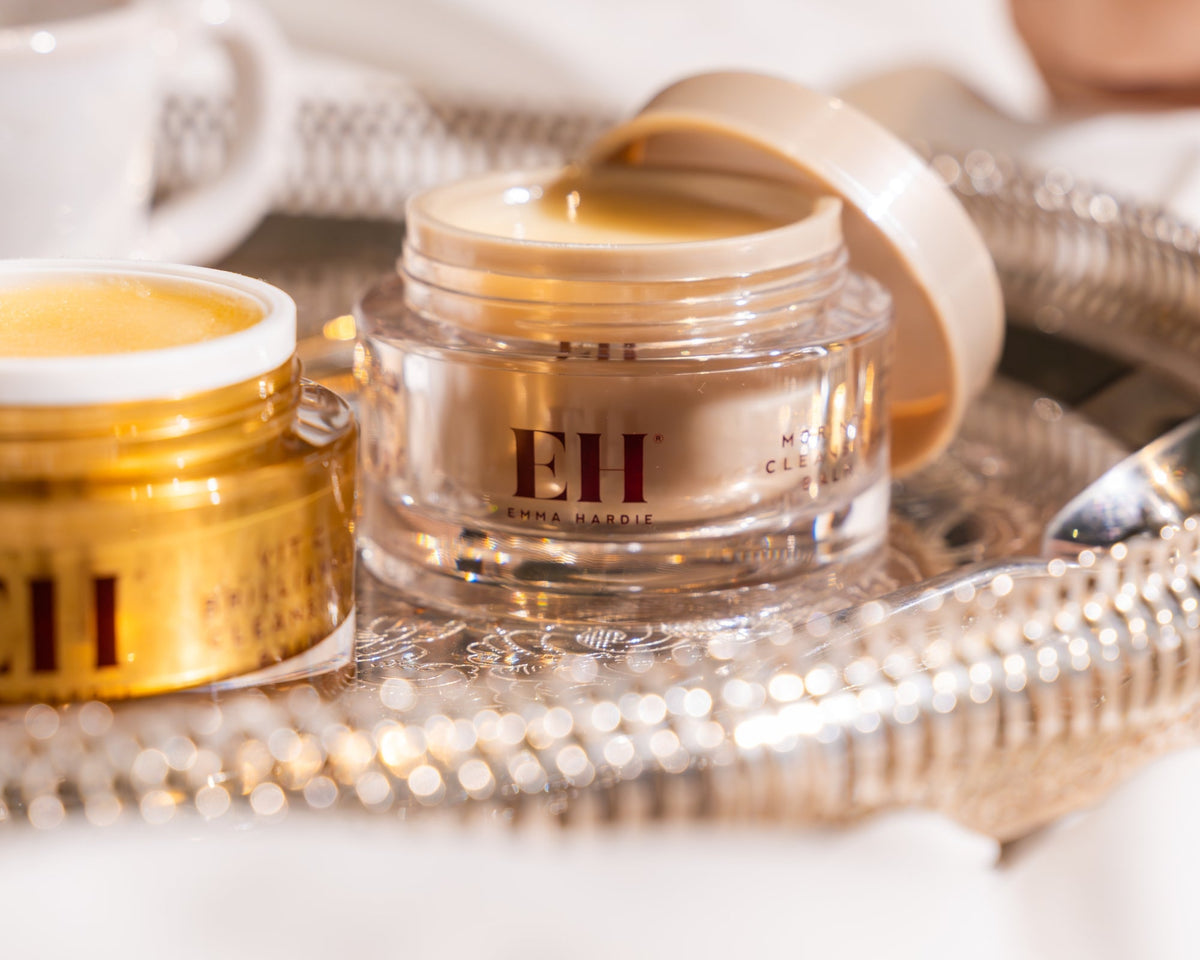
Cleansing is where every good routine begins, and when skin starts to feel drier or more reactive than it once did, the formula you reach for matters more than you might expect. The right cleanser doesn't just remove the day — it sets the tone for everything that follows. The Moringa Cleansing Balm is the ideal evening cleanser for skin that needs a thorough yet calming cleanse. It melts into dry skin, dissolving makeup, SPF and daily build-up without disturbing skin's natural moisture levels. The finish is soft, balanced and comfortable — exactly what skin needs when it's feeling more sensitive or drier than usual. For many, it works beautifully as a single, unhurried evening step.
Here's how to tailor the routine to what your skin actually needs:
- Moringa Cleansing Balm as your evening cleanse: massage into dry skin to dissolve makeup and SPF, then remove with the included Dual Action Cleansing Cloth — use the softer side to lift the balm away, then the textured side to gently polish and refine.
- Moringa Light Cleansing Gel as an optional second step: a lighter, fresher alternative for those who prefer a cleaner finish after the balm, or simply want a different texture without adding complexity to the routine.
- Vit C Balm for your morning cleanse: if you're cleansing both morning and evening, the Vit C Balm makes a brightening, gentle start to the day before serums and SPF.
Not every skin needs every step. Some will find the Moringa Cleansing Balm alone is enough; others will welcome that second, lighter cleanse. The point is to find a combination that feels right for your skin — and to know there's flexibility built in.
Choose hydration by texture and skin need
Choosing the right moisturiser is less about age and more about how your skin feels from one week to the next. If it starts to feel drier by midday, looks less plump, or becomes a little more easily unsettled, those shifts can help you decide whether a richer cream or a lighter texture will feel most comfortable.
| A richer cream tends to suit skin that... | A lighter texture may feel better when skin... |
|---|---|
| Feels dry or less comfortable through the day | Prefers a quicker-absorbing finish |
| Has lost some softness or bounce | Sits under make-up more easily with a lighter feel |
| Looks dull and needs more nourishment | Feels combination, with dryness in some areas and oiliness in others |
| Wants a more cocooning layer of comfort | Can feel crowded by heavier formulas |
If your skin wants light hydration and radiance, Vitamin C Radiance Gel Moisturiser is a fresh, glow-supporting option that sits comfortably in a morning routine. Follow with Protect & Prime SPF30 as your final daytime step.
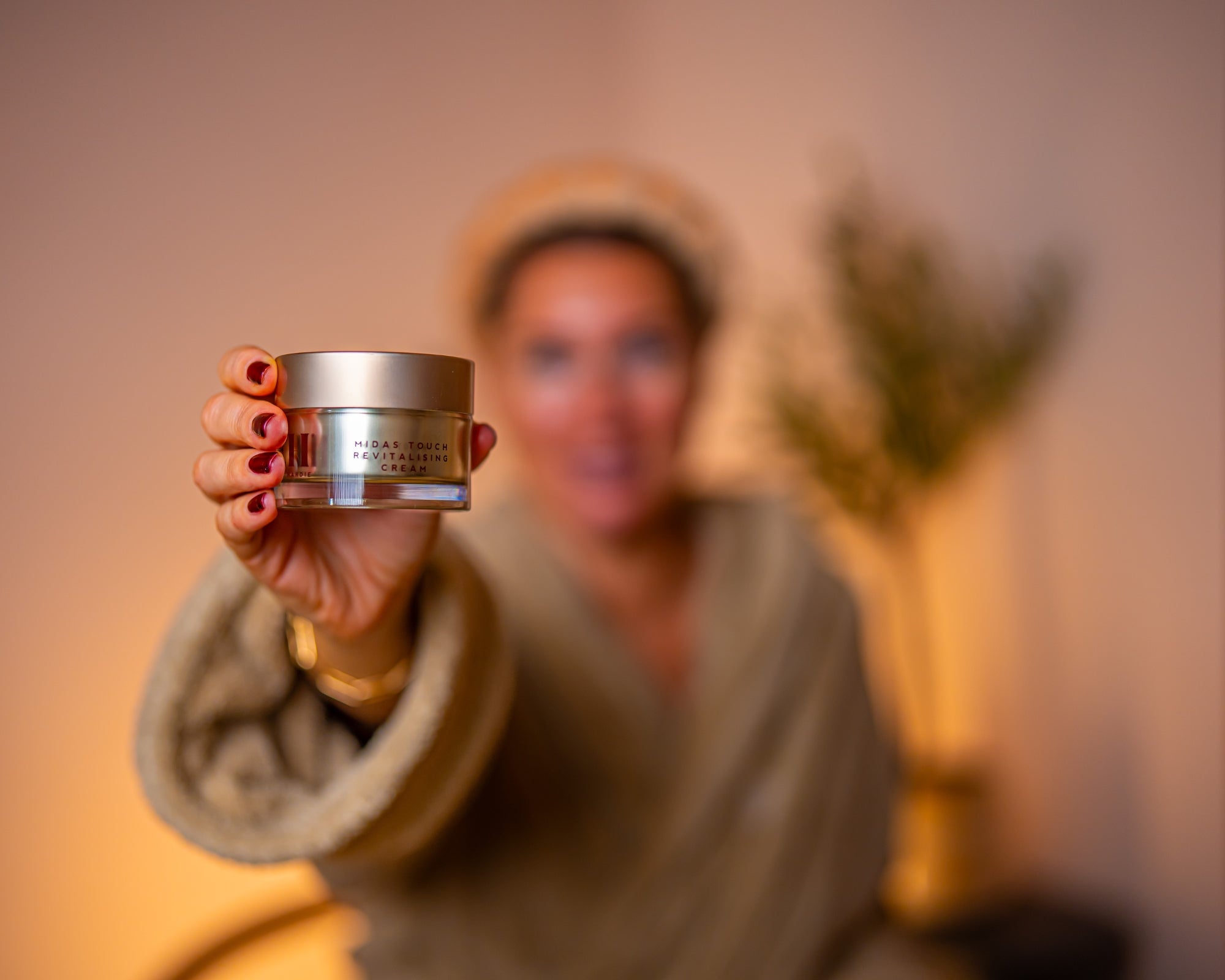
If your skin needs of more lasting nourishment, our Midas Touch Revitalising Cream is the richer comfort choice. Its cushioning texture helps skin feel softer, smoother and more supple, especially when skin feels dry, less bouncy or in need of more support. You may find that different textures suit different moments. A lighter moisturiser can work well in the morning under SPF, while a richer cream can feel more comforting in the evening.
Add treatment steps slowly
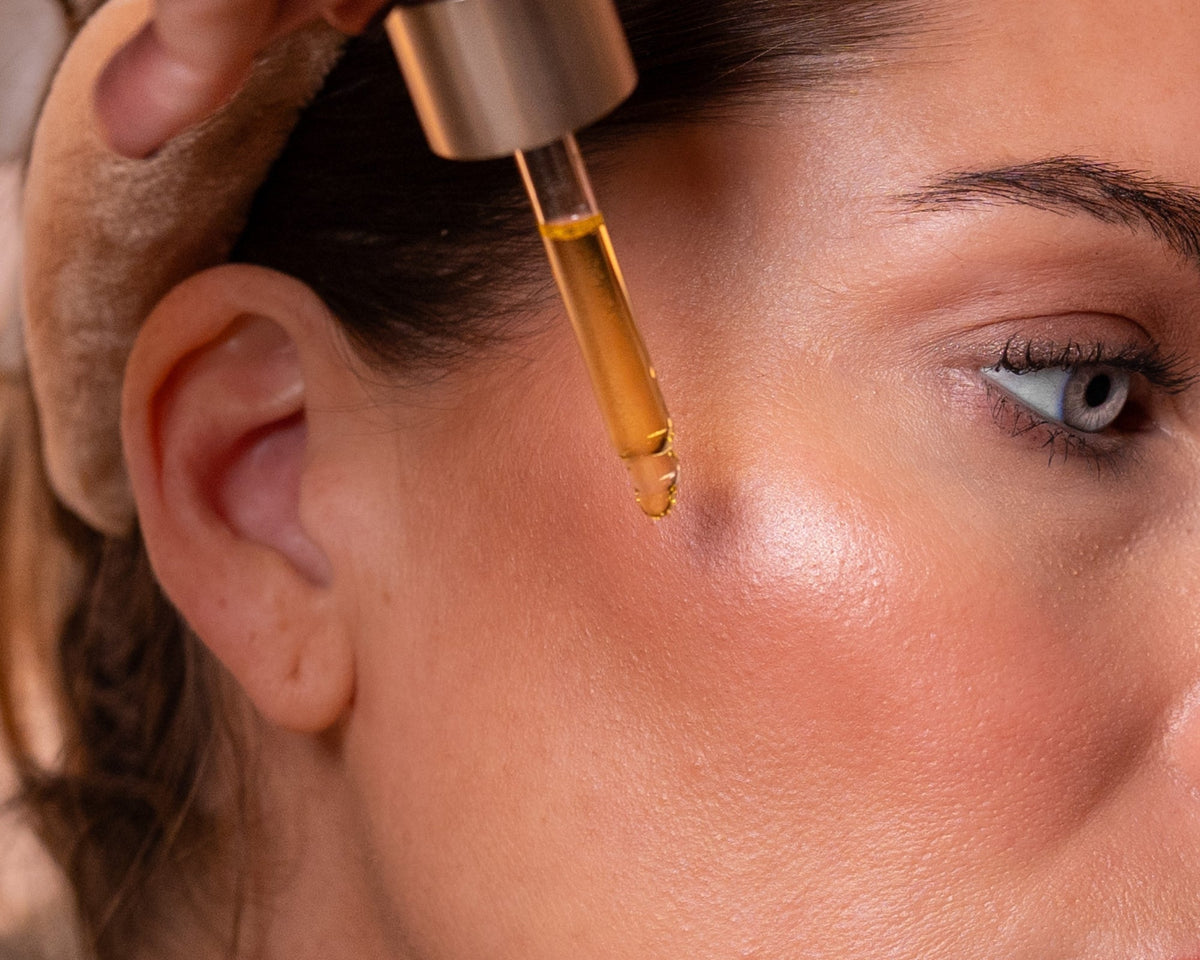
Once your core routine feels settled, a few well-chosen treatment steps can help support more glow, smoother texture and that comfortably cushioned look skin can sometimes lose during menopause. The best skincare for menopausal skin does not have to mean more products at once; it is often about adding one thoughtful extra that matches what your skin is asking for. For texture and gentle renewal If your skin feels less smooth or looks a little flat, Exfoliating Brightening Tonic can be introduced as a gentle renewal step after cleansing. It is a good place to talk about bakuchiol and pomegranate enzymes, but we should keep the advice calm: start slowly, avoid over-exfoliating, and follow with a moisturiser that keeps skin comfortable. For support and resilience After cleansing, or after your tonic, apply Midas Touch Super Serum as your focused treatment step. It is a good choice when skin feels less supple, less bouncy or in need of more support over time. For extra comfort and glow Brilliance Facial Oil works best as a nourishing finishing step, rather than the main treatment. Press a few drops over moisturiser in the evening when skin feels dry, depleted or in need of more softness. For a weekly radiance moment Vi C Brightening Hydrogel Facial Mask can be used once or twice a week when skin looks tired, flat or in need of a fresher glow.
Adapt your ritual
Finding the right skincare for menopausal skin doesn't mean starting from scratch or overhauling everything at once. A well-chosen combination of three product types, used consistently, can make a real difference to how skin looks and feels — day after day, not just occasionally.
If the options feel overwhelming, this is a good place to simplify.
- Cleanse — In the evening, a nourishing cleansing balm lifts away SPF, makeup and daily build-up while leaving skin feeling calm and comfortable. In the morning, a lighter cleanse is all skin needs to feel refreshed without disrupting its natural balance.
- Moisturise — A richer moisturiser used morning and evening helps replenish the hydration that shifting hormones can quietly affect over time. Look for formulas that support lasting softness and a plumper-looking complexion, rather than ones that simply sit on the surface.
- Treat — A targeted treatment step is where you can focus on specific concerns: dullness, uneven texture, a loss of firmness. Whether that's a facial oil, a brightening serum or a weekly mask, start with whichever feels most relevant to you right now.
Only ready for one or two changes? If skin feels persistently dry or uncomfortable, a moisturiser is the most immediately comforting place to begin. It works well on its own while you get a feel for what else your skin might benefit from.
Frequently Asked Questions
What is the best skincare routine for menopausal skin?
A simple, comfort-led routine is often the best fit for menopausal skin: cleanse gently, moisturise well, then add one treatment step for your main concern. In practice, that can mean a nourishing evening cleanse, a moisturiser morning and evening, and a facial oil, Vitamin C treatment or weekly mask as needed.
What is the best product to use for menopause?
There is no single best product for menopause, because skin concerns can vary from dryness and sensitivity to dullness or loss of suppleness. If skin feels persistently dry or uncomfortable, a richer moisturiser is often the most immediately comforting place to begin, then you can add treatments gradually.