How to Choose a Moisturiser for Your Skin Type
Choosing the right moisturiser starts with how your skin feels today. Some days, it may want light hydration and glow. Other days, it may need richer comfort, softness and support.
This guide helps you choose the right texture for your skin, from fresh gel moisturisers to richer creams and nourishing oils, so your routine feels comfortable, balanced and easy to return to.
How to choose a moisturiser that suits your skin
Choosing a moisturiser can feel difficult when your skin does not behave the same way every day. A texture that feels right in summer may feel too light in winter. A cream that once felt comforting may start to feel too rich. The best place to begin is not with a fixed skin type, but with how your skin feels now: dry, comfortable, shiny, unsettled or in need of more support.
The Emma Hardie approach starts somewhere more useful: listening to how your skin actually feels. Not how it looked six months ago, or how it behaved last season — right now, today. Is it pulling tight by mid-morning? Looking shiny before lunch? Feeling settled and comfortable, or a little reactive and unsettled? Those signals matter far more than whatever category a product claims to belong to.
Before anything else, it helps to consider three things: texture, finish and the level of support your skin needs. A moisturiser that works beautifully for dry, comfort-seeking skin may leave someone else feeling congested within days. And skin shifts — with the weather, with stress, with hormonal changes — which is why the best choice is rarely a fixed one. What follows is a calm, practical way to read what your skin is telling you — so you can match it to the right texture, ingredients and level of support, and feel confident in the choice you make.
What your skin may need: dry, oily, combination or sensitive
Skin type is a useful starting point, but it is not the whole picture. Your skin can change with the weather, stress, hormones, travel and the textures you use every day. Paying attention to those changes can help you choose a moisturiser that feels right for your skin now, rather than relying on one fixed category.
Here is how different skin types can behave, and which moisturiser textures may suit them best.
- Dry skin often feels rough or looks a little dull, and tends to absorb moisture quickly without staying comfortable for long. It is worth knowing that dry and dehydrated skin can feel surprisingly similar but have different causes — our guide to dehydrated vs dry skin can help you tell them apart. Where skin is genuinely dry, it tends to respond well to richer, nourishing textures — a balm or a cream — that restore comfort and help seal moisture in throughout the day.
- Oily skin often turns shiny by mid-morning, with enlarged pores and a tendency towards congestion. It still needs hydration — skipping moisture can actually push the skin to produce more oil — but lighter gel-cream or fluid textures tend to work better here, hydrating without adding any extra weight.
- Combination skin usually presents as oilier through the T-zone with drier or more comfortable patches on the cheeks. Research supports the approach that people with combination skin benefit from a lightweight, oil-free moisturiser that still addresses dryness, rather than leaning towards one extreme or the other.
- Sensitive or normal skin may feel settled most of the time but reacts to new products, seasonal shifts or stress. Simpler, calmer formulations tend to work best — those that offer quiet, consistent support without overloading the skin.
One thing to keep in mind: shiny skin is not always oily, and comfortable skin is not always well hydrated. Watch how your skin behaves across a full day before settling on a label.
If your skin leans dry or feels depleted, look for richness without heaviness
Dry or depleted skin may look a little dull, feel less supple than usual, or seem to lose comfort quickly, especially in colder weather or after long days in heating or air conditioning. Choosing a moisturiser is not about reaching for the heaviest cream. It is about finding a texture that feels nourishing, comfortable and easy to wear. A few ingredients are especially worth looking for:
- Shea butter for a cushioned, comforting feel and lasting softness
- Squalane for lightweight nourishment that helps skin hold on to moisture without feeling overloaded
- Hyaluronic acid for a fresher, plumper feel at the surface
- Botanical oils such as sweet almond, apricot kernel, grapeseed and sea buckthorn to support softness, suppleness and glow.
Texture matters too. A moisturiser for dry skin should feel rich enough to comfort, but not so dense that it sits heavily on the skin. Creams with a silky, balmy or velvety finish often strike that balance beautifully.
If your skin needs richer comfort, Midas Touch Revitalising Cream is a natural place to start. Its nourishing texture helps skin feel softer, smoother and more supple, making it especially useful when skin feels dry, depleted or less comfortable through the day.
If your skin wants an extra layer of nourishment, Brilliance Facial Oil can be pressed over moisturiser or blended in, adding another layer of comfort and radiance when skin feels weather-stressed or depleted.
When you’re deciding on the best moisturiser for your skin type, look for a formula that feels comforting straight away and leaves skin softer, smoother and more supple over time.
If your skin feels shiny or easily congested, choose lighter textures that still hydrate
If your skin looks shiny by lunchtime or feels prone to congestion, hydration can still be helpful — it simply tends to suit a lighter hand. For oily or combination skin, the sweet spot is usually a moisturiser that feels fresh and balanced, rather than rich or too coating.
Textures worth exploring include:
- Gel-cream formulas — water-rich and quick to absorb, with a light finish that sits comfortably on the skin
- Fluid lotions — easy to layer under SPF or make-up when you want hydration without weight
- Water-based moisturisers — often a good place to start if richer creams feel like too much
- Lightweight balms used sparingly — helpful on drier areas of combination skin, rather than all over
A useful way to judge a formula is by how your skin feels a little later. If it still feels comfortable, hydrated and more in balance, you are likely on the right track. If it feels overly coated or looks slick quite quickly, a lighter texture may suit you better.
When it comes to ingredients, hyaluronic acid can help bind water into the skin without making a formula feel heavy. Niacinamide is another thoughtful addition for skin that can look shiny yet still needs support, as it helps the complexion appear more even and settled over time.
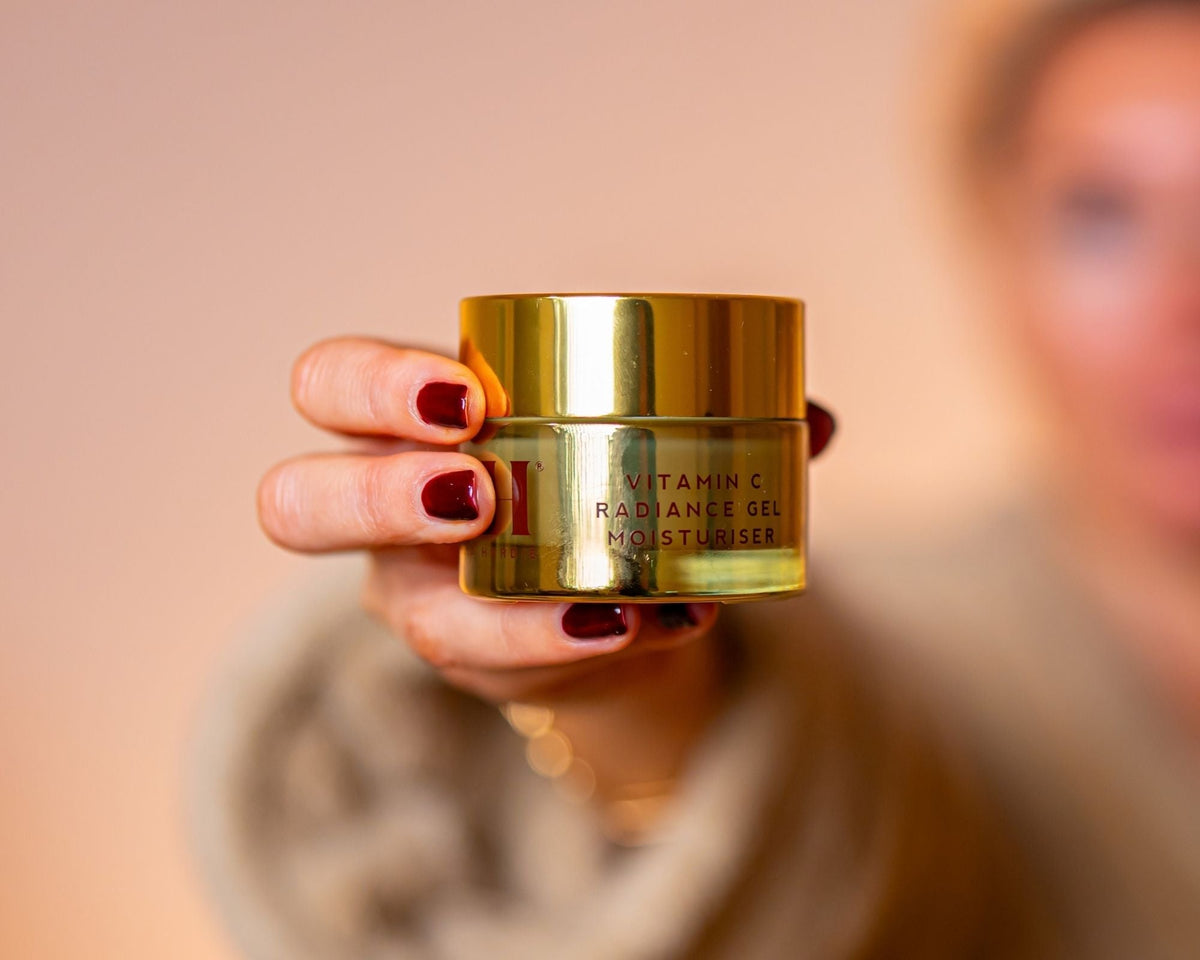
If your skin wants hydration without weight, Vitamin C Radiance Gel Moisturiser is a fresh, glow-supporting option. Its lightweight gel texture helps skin feel hydrated and comfortable without a heavy finish, making it especially useful for morning use, combination skin or days when richer creams feel too much. Always follow with Protect & Prime SPF30 as your final daytime step.
Through the day, Plump & Glow Hydrating Facial Mist can add a light hydration refresh without overwhelming the skin. Mist over skin or make-up whenever your complexion feels dry, warm or in need of comfort.
If your skin is sensitive, reactive or redness-prone, choose calm support rather than overcomplication
Sensitive skin rarely fits a single description, and recurring redness can have several different causes — rosacea, contact allergy, environmental triggers or other skin conditions among them. Rather than searching for one universal fix, it helps to pay attention to the pattern: when does your skin react, how quickly, and to what? That kind of awareness is a far more useful starting point than any single ingredient claim.
Once you have a sense of your skin's triggers, a few gentle principles can help guide your choices:
- Start with fragrance-free or low-fragrance formulas, particularly if your skin tends to sting or flush after application. Fragrance-heavy formulas aren't automatically off-limits, but they're worth patch testing and introducing slowly.
- Choose calm, gentle textures. Light creams and barrier-supportive balms tend to sit comfortably on reactive skin without adding unnecessary stimulation.
- Look for soothing ingredients such as niacinamide, centella asiatica or oat extract — these work to calm rather than provoke.
- Patch test before committing. A small amount on the inner arm for 24 hours is a simple but worthwhile step with any new product.
- Introduce one new product at a time, so that if your skin does respond, you can identify the cause clearly.
A pared-back routine often does far more for sensitive skin than a complicated one. Fewer steps, chosen with care, is usually the gentler path forward. If you're still finding your footing, our edit of moisturisers for sensitivity and redness is a considered place to start.
How to make the final choice and build a moisturiser routine that feels right
Once you have a sense of what your skin needs, the final step is thinking about how your moisturiser fits into your day — not just what it does on its own.
Morning and evening skin often want different things. In the morning, you're looking for something that sits smoothly under SPF, feels comfortable from the first application, and layers well with any brightening steps. If vitamin C is already part of your morning ritual, a fluid or gel-cream formula tends to work beautifully beneath it. Come evening, skin is in a more receptive state, which makes it the natural moment for something richer and more restorative.
Finish is worth thinking about too. Dewy textures can lift skin that looks a little flat or feels dry by mid-afternoon. A softer, more velvety finish tends to suit those who notice shine appearing quickly through the day.
Season plays a role as well. A formula that feels exactly right in summer can feel like it's not quite doing enough once the cold sets in. Think of your moisturiser as something that can shift with your skin over the year, rather than a single fixed answer.
If you are putting your full routine together, our guide on how to build a skincare routine walks through each step with the same facialist-led thinking, so every product has its place and purpose.
Ultimately, the right moisturiser is the one your skin settles into — the one that leaves it feeling comfortable, supported and at ease, morning and evening.