Skip to content

The Skin Edit

Add Facial Oil in Your Skincare

How to Add Facial Oil in Your Skincare Routine

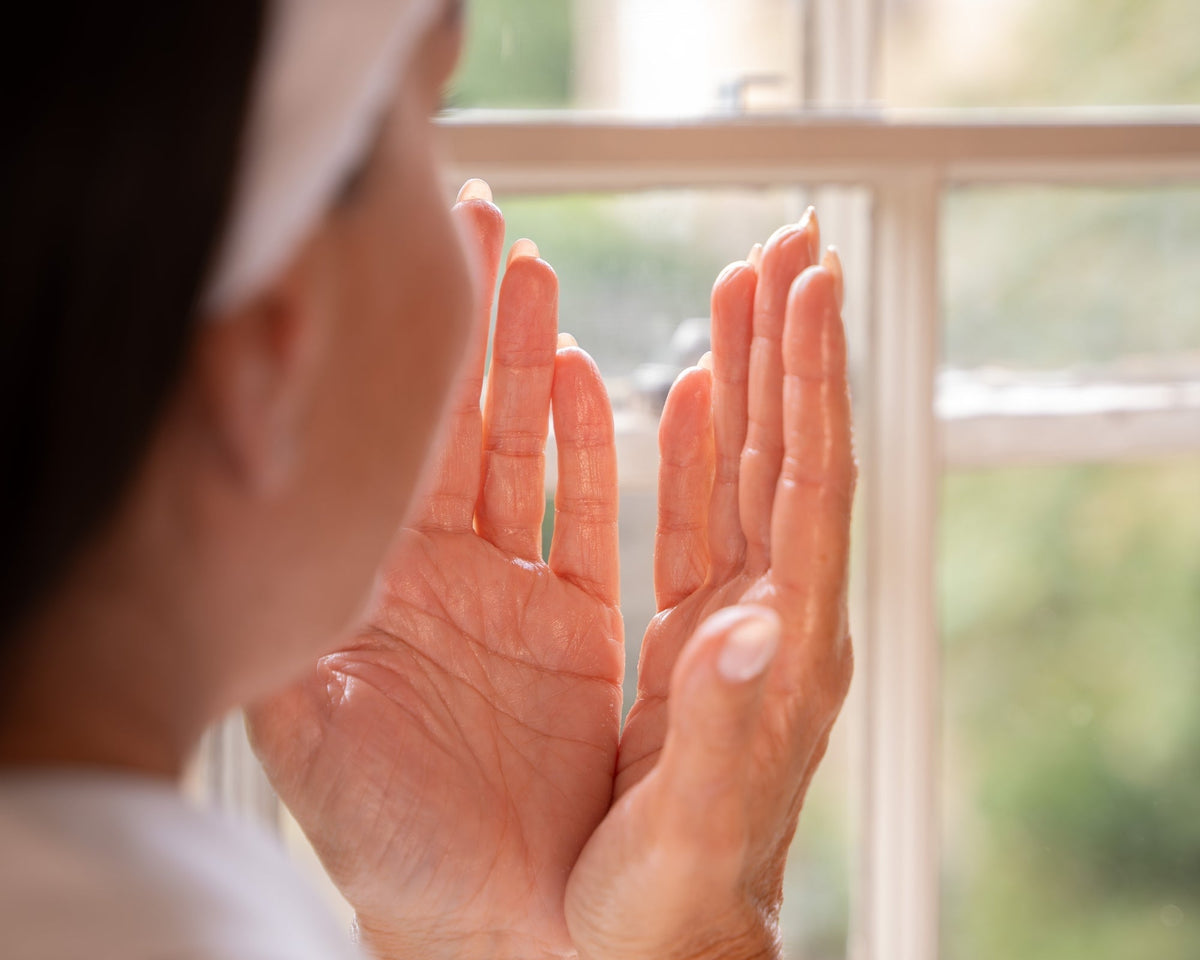
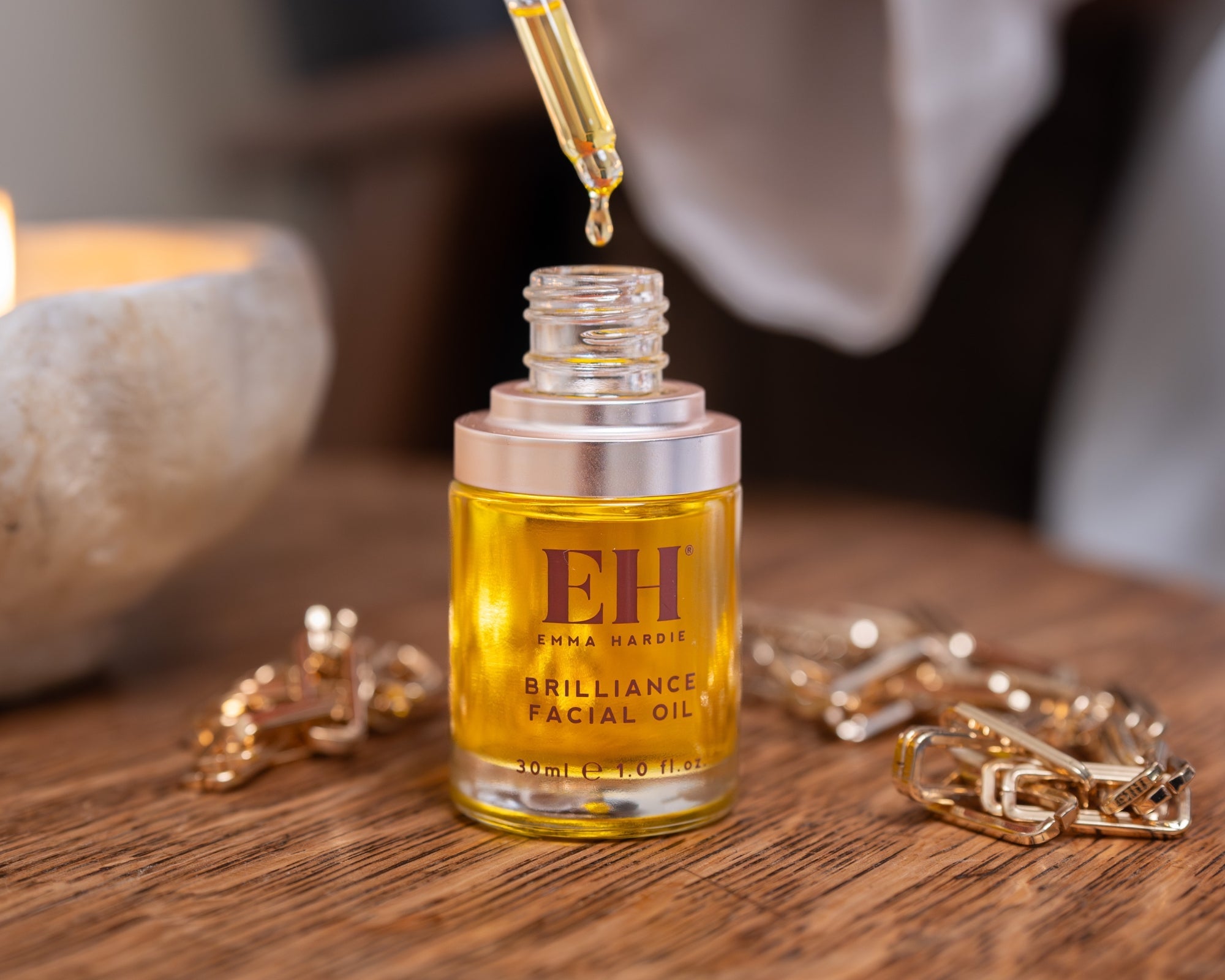
Facial oil can bring comfort, glow and a more sensorial finish to your skincare routine, especially when skin feels dry, dull or in need of extra nourishment. The key is knowing when to use it, how much to apply and how to layer it with your serum, moisturiser and SPF. Where facial oil fits in your routine  Facial oil is one of the most misunderstood steps in skincare. People tend to assume it's either an optional step or a treat reserved for very dry skin types. From a facialist perspective, facial oil can earn its place when skin needs extra softness, nourishment or slip for massage.  A better  way to think about it: facial oil is the finishing layer that seals everything in. Your serum delivers actives, your moisturiser supports the skin's barrier, and the oil sits over the top, locking that comfort in and helping everything underneath perform at its best. It isn't there to replace those steps. It completes them — which is why understanding how to use facial oil properly makes such a visible difference over time. At Emma Hardie, this approach is rooted in years of professional facialist expertise and a simple belief: that skin responds best when it's supported, not overwhelmed. That means working with botanicals that complement the skin's own behaviour, sourced and formulated with genuine care rather than as an afterthought. Woven into that is Emma's linear massage method. Developed to encourage lymphatic movement, refine facial contours, and deepen absorption, it transforms the way oil is applied. Press and sweep upward and outward with intention, and you're not simply moisturising — you're giving your skin something closer to a professional facial, at home, in just a few minutes. Done well, facial oil brings ritual and results together. Used sparingly, facial oil can leave skin feeling soft, cushioned and luminous, not heavy or greasy.  Do you put facial oil before or after moisturiser? Facial oil goes after moisturiser. For most people, most of the time, that is the answer. The order matters because moisturisers and facial oils play different roles. Moisturisers are typically water-based, so they absorb readily into the skin. Facial oils are lipid-rich, which means they sit closer to the surface, forming a protective layer that helps seal in everything your moisturiser has just delivered. Apply oil first and you create a barrier that prevents that absorption from happening properly — which rather defeats the point of using both. Think of oil as the finishing step, not the foundation. That said, there are a few situations where the order might shift: Using a lightweight oil in place of a serum — if your oil is thin and fast-absorbing, it can sit comfortably before moisturiser, much as a serum would Mixing a drop of oil into your moisturiser — a simple way to boost nourishment in a single step, and particularly lovely through the colder months Pressing oil into damp skin without moisturiser — some people prefer this on evenings when skin feels balanced rather than dry, as a more sensorial, pared-back approach These are simply ways to tailor your ritual to how your skin feels. If you are new to facial oil, begin by using it after moisturiser, then adjust from there. Pairing your oil with a well-matched moisturiser also makes a difference to how each product performs, so it is worth thinking about both together rather than in isolation. For most routines: apply your moisturiser, allow a brief moment for it to settle, then press your facial oil gently over the top. Small adjustments from there — based on how your skin feels day to day — will guide you towards what works best for you. How to apply facial oil properly for the best finish The difference between a healthy, lit-from-within glow and an oily-looking finish usually comes down to technique. If you are learning how to use facial oil, the key is not to use a lot. It is to use the right amount, in the right way, so the skin looks cushioned and radiant rather than slippery. Start with two to three drops. For most skin types, that is plenty. If your skin is especially dry, you can add one more drop, but build slowly. It is much easier to add than take away. Warm the oil between your palms. Simply press your hands together for a few seconds first. This helps the oil spread more evenly across the skin, so you get a smooth, balanced finish rather than heavier patches. Press it in, rather than rubbing. Place your palms gently over the cheeks, forehead and chin, then press. This is one of the simplest ways to make facial oil feel more refined on the skin. Follow with upward linear massage movements. This is where the facialist technique really matters. Using your fingertips, glide from the jawline up towards the cheekbones, then smooth across the forehead and take any remaining oil down the neck. Emma Hardie's signature linear movements are designed to feel purposeful and elegant, never rough or overworked. Don't overlook the neck. It is often forgotten, yet it benefits just as much from nourishment and massage as the face itself. Finish with light tapping. A few gentle taps with the fingertips can help everything feel settled and leave the complexion looking fresh, soft and luminous. How do you know if you have used the right amount? Your skin should look comfortable and glowing, not wet. If it still feels slick after a minute, you have probably used a little too much. Next time, use one drop less. If you are still finding your rhythm, exploring the Emma Hardie serums and oils collection can help you choose a texture that feels beautifully easy to work with, including our Brilliance Facial Oil. Less really is more here. Warm hands, gentle pressure and consistent linear strokes are what create that polished, facialist finish at home. Can you use facial oil if you have oily or breakout-prone skin? Yes, you can. Our facialist recommendation is to avoid stripping oily or breakout-prone skin. When skin is treated too aggressively, it can feel tight, uncomfortable and even look shinier. At Emma Hardie, the aim is always balance: supporting the skin barrier, respecting how skin naturally behaves and choosing textures that help it feel comfortable. If your skin tends to feel oily or breakout-prone, choose a light, fast-absorbing facial oil and use only a few drops. It can help soften the feel of dehydration and bring comfort to the skin, without leaving a heavy or greasy finish. When choosing one, look for: Non-comedogenic formulas that do not sit heavily on the skin A light, quick-absorbing texture with a dry-touch finish Balancing ingredients such as jojoba or squalane, which feel naturally skin-compatible Low-fragrance blends if your skin is reactive or easily overwhelmed Naturally derived, ethically sourced botanicals in thoughtful blends, which is very much part of the Emma Hardie approach to skincare  It is also worth choosing texture carefully. Coconut oil and some heavier nut oils can feel too rich or occlusive for skin that is prone to congestion, especially if the formula leaves a heavy film behind. How to apply facial oil matters just as much as which one you choose. Start with just one or two drops, warm them between your fingertips, then press them in gently. If you like, follow Emma Hardie's signature linear massage approach with light outward strokes, keeping the pressure soft so the skin never feels overloaded. Used this way, facial oil can feel comforting rather than greasy. If blemishes and excess shine are your main concern, explore our collection for blemish-prone skin for naturally derived, cruelty-free options chosen with these needs in mind. When to apply facial oil in the morning, evening, or both When to apply facial oil is not about following a rigid rulebook. As any facialist will tell you, the best timing depends on how your skin feels, how your routine fits together, and the finish you want on the day. That softer, more intuitive approach sits at the heart of the Emma Hardie philosophy. Morning Use Evening Use Fresh, light glow Richer, more cocooning finish Best when oil settles well before SPF or make-up Ideal if you prefer a slower, more sensorial routine Usually suits lightweight oils Works with both lighter and more nourishing textures Helpful if skin feels dry or tight during the day A lovely choice when skin needs comfort overnight If you are learning how to use facial oil in the morning, keep it simple. Press a few drops into the skin after your serum or moisturiser, then allow a minute for it to settle before SPF. If your skin feels comfortable and your base layers smoothly, morning use can work beautifully. For the final step, an SPF such as our Protect and Prime SPF30 can help give skin protection and a polished-looking canvas for the day. Evening is often the easiest answer to when to apply facial oil, especially if you enjoy a more indulgent finish. Warm the oil between your palms, then press and smooth it over the face using gentle upward movements or Emma Hardie's signature linear massage method. It turns a simple step into a calming ritual. A few clues can help you choose the right moment: skin feels tight by midday cold weather or air conditioning leaves your complexion depleted make-up sits better when you keep oil for night-time your evening routine allows for a little more time Whichever you choose, look for a thoughtfully formulated, cruelty-free facial oil made with carefully sourced botanicals. The right one should work with your skin, not against it. Choosing a facial oil that works with your skin Once you know how to use facial oil and where it sits in your routine, the next step is finding the right one. Not all oils are created equal — and the quality of what goes into the formula matters far more than the packaging it comes in. Look for oils built around ethically sourced botanicals rather than synthetic fillers or fragrance. Plant-derived ingredients such as rosehip, sea buckthorn, and marula each bring their own natural fatty acids and antioxidants to the skin, working in harmony with your lipid barrier rather than resting on top of it. When a formulation is cruelty-free and made with genuine care, that integrity tends to show in the results. Our Brilliance Facial Oil is a natural place to begin if you want something that works across skin types without overcomplicating your routine. It combines nourishing botanicals with a lightweight texture that absorbs beautifully, making it easy to layer over a serum or blend into your moisturiser depending on what your skin needs that day. It has been developed with the same facialist philosophy that guides everything we do: supporting the skin's natural radiance rather than masking or overloading it. If you are new to facial oil, start simply. Two or three drops, morning or evening, pressed gently into the skin. Give it a few days and see how your complexion responds. With consistent use, skin can feel softer, more comfortable and more supple.  The best routine is one you will actually follow. Choosing an oil you trust, from a brand that sources responsibly, makes that consistency feel effortless rather than like another step to manage.

Learn more
Emma Hardie Plump & Glow Hydrating Facial Mist and Protect & Prime SPF30 on a textured summer towel.

7 ways to keep skin calm, hydrated and protected this summer

Discover seven summer skincare tips to help keep skin calm, hydrated and protected through warm weather, travel, SPF, air conditioning and longer days outdoors.

Learn more
facial mist for skincare routine

When to Use a Facial Mist in Your Skincare Routine

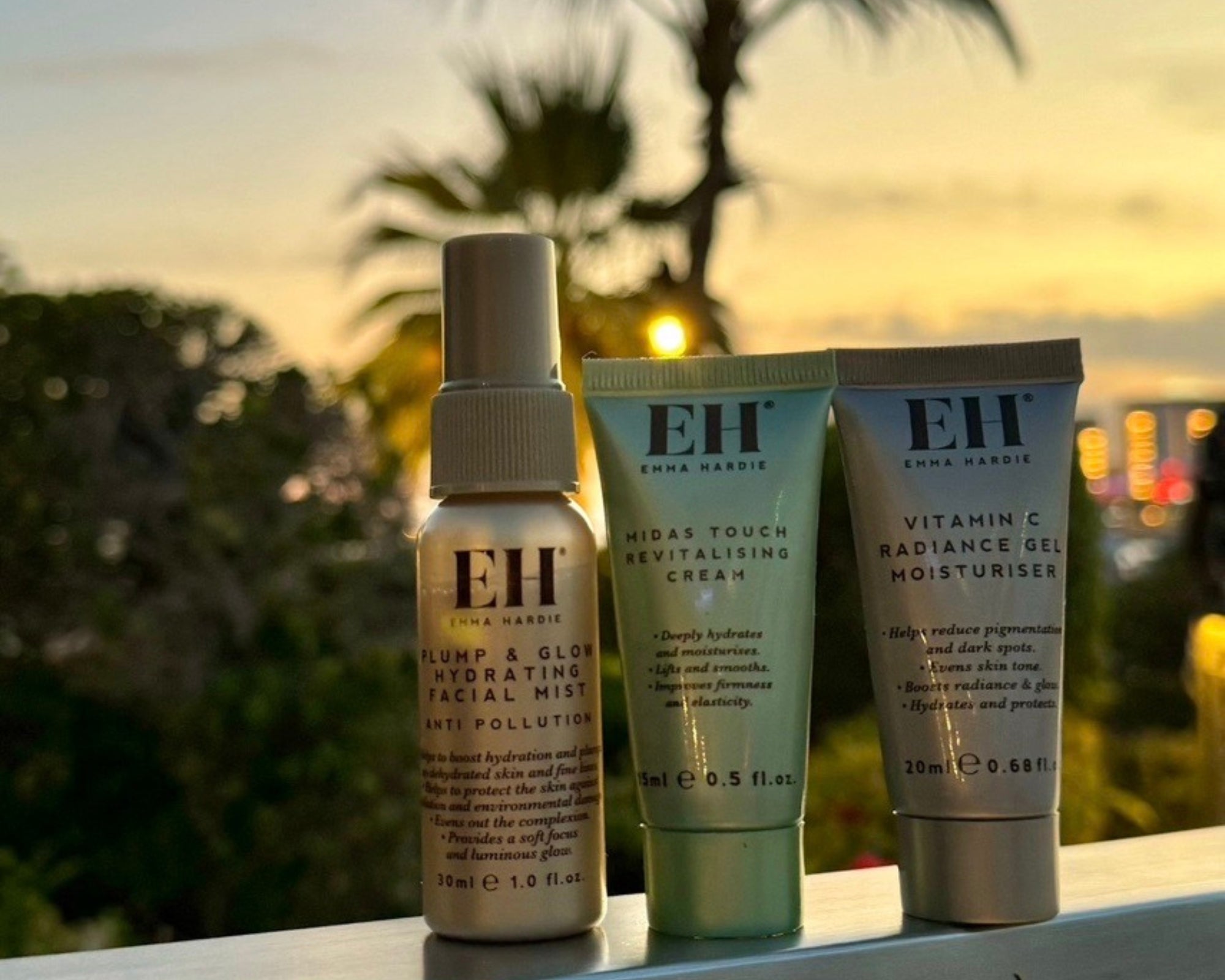
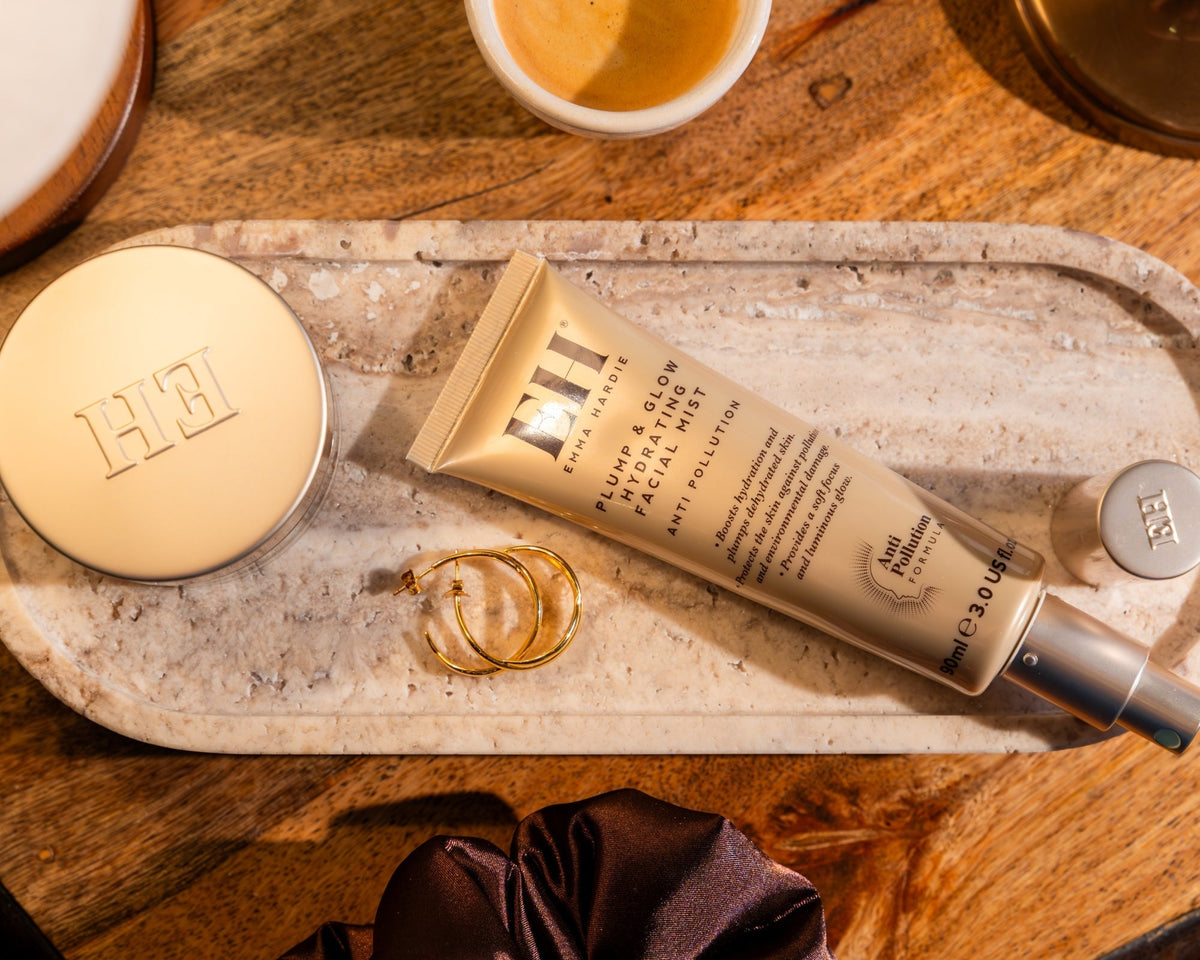
A hydrating mist is a small step that can make your routine feel more comfortable and considered. Used after cleansing, it gives skin a light veil of hydration before serum or moisturiser. Used later in the day, it helps refresh the complexion without needing to start again. The key is knowing when to mist, how much to use and what you want the step to do for your skin. How a hydrating mist supports your skin   A hydrating mist can play a useful role, even when your routine already includes a serum and moisturiser. It is not there to replace your moisturiser, and it is not designed to hold make-up in place like a setting spray.  A hydrating mist supports the skin. A setting spray supports make-up wear. A facial mist can refresh the look and feel of make-up during the day, but its main role is hydration, comfort and radiance rather than long-wear hold.  A hydrating mist can help skin feel fresh, soft and more comfortable after cleansing, before serum, or later in the day when your complexion needs a light refresh. Rather than doing all the work itself, a hydrating face mist helps create better conditions for serums and moisturisers to be layered on top. That way of working with the skin is very much part of Emma Hardie's facialist heritage. From that considered, facialist-led philosophy to the signature linear massage method, the focus has always been on supporting skin with thoughtful technique and well-chosen formulas, not overwhelming it. A moisturising mist fits naturally into that approach because it is gentle, sensorial and easy to use whenever skin needs a little comfort. It is also helpful to know what a hydrating mist is not. It is not a substitute for moisturiser, and it is not meant to seal everything in. Its value comes from where it sits in the routine. If you want to see what that looks like in practice, our Plump and Glow Hydrating Facial Mist is designed to support skin between steps, leaving it fresh and ready for what comes next. When to use a hydrating mist If you are wondering when to use a hydrating mist, the answer is not "all the time" so much as "at the right moment". In a facialist-led routine, timing matters more than frequency. A mist is there to support the feel of the skin and the layers around it, rather than something to spray through every step. There are two points where a hydrating face mist tends to be most useful: Straight after cleansing, while skin is still slightly damp. This is the ideal moment for a facial mist. Freshly cleansed skin can feel more comfortable with a light veil of hydration, and that touch of moisture helps create a soft, supple base before you apply serums, oils or moisturiser. It is a simple step, but very much in keeping with the Emma Hardie approach: thoughtful layering rather than overcomplicating your routine. Later in the day, over SPF or make-up, when skin feels dry or looks tired. A fine hydrating mist can refresh the complexion beautifully without the need to start again. Mist lightly from a little distance and let it settle. If you overdo it, though, you may affect the finish or wear of your SPF or make-up, so a few fine spritzes are usually enough. The common mistake is using a moisturising mist at random points and expecting it to do every job. It works best with intention, especially after cleansing and as a light pick-me-up later on. If you want to see where it sits in the fuller order of cleansers, serums and moisturiser, our guide lays it out clearly. Hydrating mist vs setting spray: what is the difference? This is a question facialists hear often, because both products arrive in a similar fine veil on the skin. The difference is in what they are there to do. A hydrating mist is skincare first. It helps replenish light moisture, ease that tight feeling after cleansing, and keep skin feeling comfortable, fresh and supple through the day. A setting spray is for make-up wear, helping foundation and colour stay in place for longer. Hydrating Mist Setting Spray Primary purpose Support hydration and skin comfort Help make-up last Key ingredients Humectants, botanical extracts, skin-conditioning ingredients Film-formers, fixing agents, sometimes alcohol Texture Lightweight, refreshing facial mist Fine spray with a more fixing finish When to apply Within skincare, or whenever skin needs a refresh After make-up is complete Best for Dryness, dullness, warmth, travel, dehydrated skin Longevity of foundation and colour From an Emma Hardie facialist perspective, think of it as skin need versus make-up need. If your complexion feels parched, heated or a little flat, a hydrating face mist is the natural choice. If you want your make-up to stay polished, a setting spray is the one to reach for. If you use both, keep the order simple: apply your moisturising mist during skincare, then finish with setting spray after make-up. If you are refining the rest of your ritual, our skincare collection is a helpful next step for building a calm, comfortable routine. How to apply a hydrating mist without wasting it A hydrating mist works best when it is applied with a light hand. Too much can leave skin feeling wet rather than refreshed, while too little may not give you that soft, comfortable veil of hydration you are after. Here is one lovely way to use a facial mist without wasting a drop: Hold the bottle around 20 to 30cm from your face. This helps the hydrating mist fall evenly, rather than landing in heavy patches. Close your eyes and lips, then take a calm breath before you spray. It sounds simple, but it helps the step feel more intentional. Mist 2 to 3 times in short bursts. You are aiming for a fine, even layer, not visible saturation. Let the droplets sit for a few seconds. Gently press the mist into skin with your palms, using Emma Hardie's signature linear movements: from the jaw upwards, then out towards the temples and across the forehead. This helps distribute the facial mist beautifully and turns a quick step into a soothing pause. If you are applying serum next, smooth it on while skin is still slightly damp. This can help it glide more comfortably and layer more evenly. If you like to finish with an oil, press a few drops over the top to help seal in that freshly misted feeling. This same thoughtful approach sits at the heart of Emma Hardie's full cleansing ritual, where touch, texture and technique matter just as much as the formulas themselves. Used this way, a hydrating face mist becomes more than a quick refresher. It sets the tone for the rest of your routine, helping each layer feel calm, considered and beautifully applied. The travel-sized mist that goes everywhere with you As lovely as our Plump and Glow Hydrating Facial Mist is in full size, it's the handbag-sized mini that's become a true favourite with our customers. Once you start travelling with it, it's easy to see why. Air travel is where a mini mist can be especially useful. Cabin air is famously dehydrating, and a long-haul flight can leave skin feeling tight, dull and travel-worn well before you land. A few fine spritzes an hour or two into the flight, and again before landing, helps skin hold onto a little more comfort and softness along the way. It's small enough to clear hand luggage liquid limits with room to spare, so it can live in your bag permanently rather than being something you have to remember to pack. It's just as useful once you've landed. Different climates, different water, long days of sightseeing or back-to-back meetings in a new city can all leave skin feeling flat or parched in a way your usual routine wasn't quite built for. A mist tucked into a day bag means you can refresh your complexion in seconds, without needing a full skincare stop. The beauty of the mini is that it works exactly the same as the full size. There's no compromise on formula, just on size. Mist after cleansing to add a light layer of hydration before serum or moisturiser, over make-up when your face needs a lift midway through the day, or any time skin feels tired, warm or dry. On the road, in transit, at your desk, or between meetings, it's designed to go wherever you go. That's really the appeal: hydration you don't have to think twice about packing. If travel, commuting or on-the-go top-ups are part of your life, browse our mini mist alongside the full size to find the one that fits your routine.

Learn more
A Calm Guide to Double Cleansing

A Calm Guide to Double Cleansing

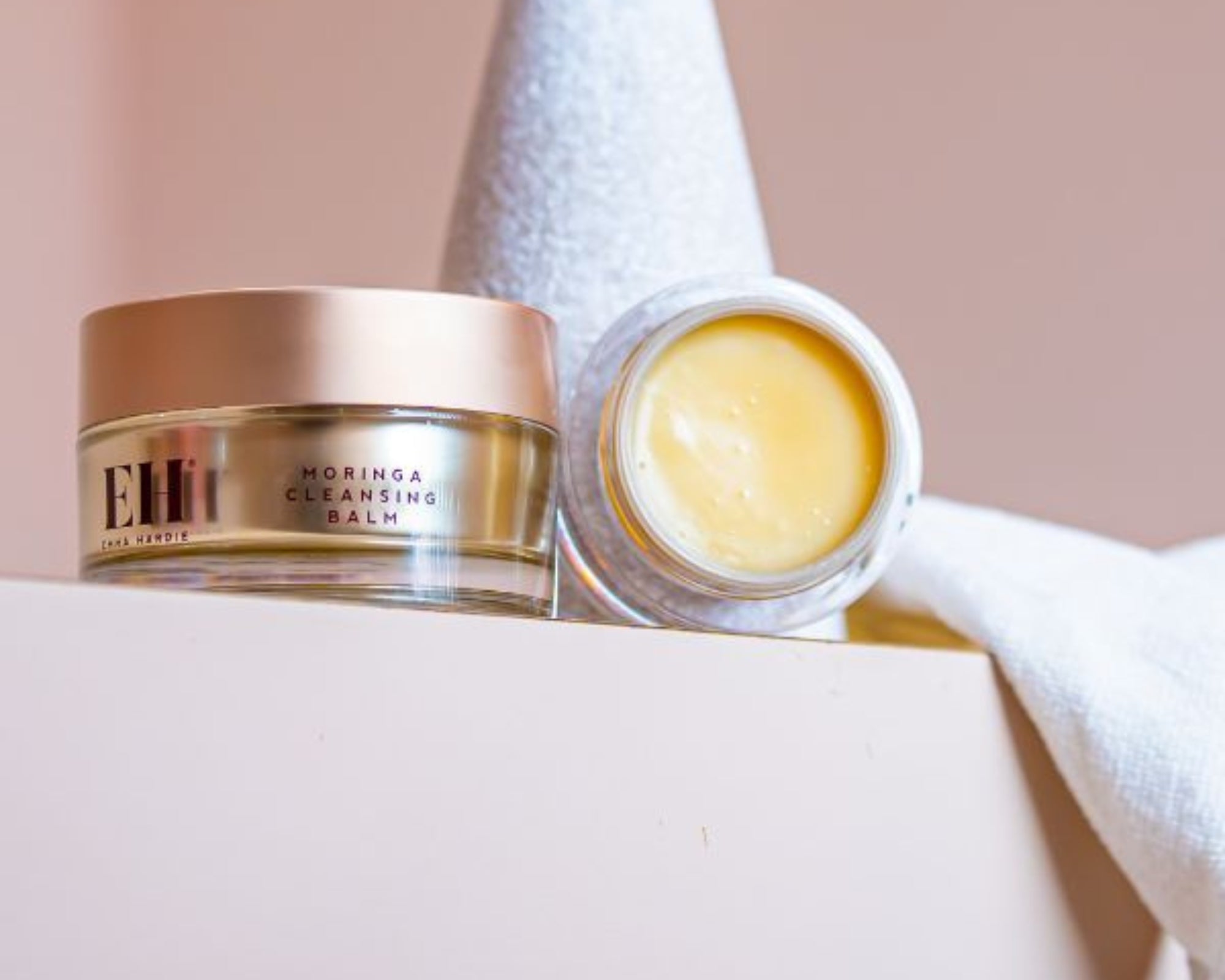
The right cleansing method can change how your whole routine feels. From a facialist perspective, cleansing is not about doing more steps; it is about choosing the method that suits your skin, your day and what you need to remove. In the evening, a careful balm cleanse with Moringa Cleansing Balm is often enough to melt away makeup, SPF and daily build-up while leaving skin soft, calm and comfortable. On days when skin needs a little more support, such as after heavier makeup, repeated SPF, travel or city exposure, a second gentle cleanse is something you may choose to add.  When to Double Cleanse, and When One Cleanse Is Enough  If your skin still feels heavy at the end of the day, even after washing, you are not doing anything wrong. Often, it is simply a question of approach. Knowing how to double cleanse is less about washing your face twice and more about using two different cleanses for two different jobs. That is what makes the ritual so effective. The first cleanse helps lift away the day: SPF, make-up, excess oil and the grime that builds up from being out and about. The second cleanse then removes what is left on the skin itself, so your complexion feels properly fresh, comfortable and clean. In other words, the first cleanse second cleanse method is about sequence, not repetition. These double cleansing steps have long been part of professional facialist practice because they make sense for real skin and real life. A balm or oil cleanser is especially helpful in the evening, when you want to loosen richer products and daily build-up without scrubbing. A second, gentler water-based cleanse then finishes the job. At Emma Hardie, this way of cleansing comes straight from the treatment room. Emma's facialist heritage shaped a routine that is not rushed or harsh, but thoughtful and effective. Her linear massage method invites you to work the cleanser over the face and décolleté with slow, upward movements, turning a necessary step into a calmer evening ritual. That thinking runs through the whole ritual. The aim is not to overwork the skin, but to care for it in a way that feels balanced, comfortable and easy to keep up. If you are learning how to cleanse your face properly, understanding why a cleansing balm can be such an important first step is a lovely place to begin. The first cleanse: how a cleansing balm lifts SPF, make-up and daily build-up If you are learning how to double cleanse, the first cleanse is the step that helps melt away everything sitting on the surface of the skin. This is where our Moringa Cleansing Balm does its best work. Massaged onto dry skin, the buttery balm melts into a nourishing oil that helps loosen SPF, foundation, waterproof mascara, excess sebum and the grime of the day, without any need to scrub or overwork the skin. Add a little water, and it transforms again, turning into a soft milk as you continue massaging. Removed with the Dual Action Cleansing Cloth, this first step leaves skin feeling comfortable and thoroughly prepped, never stripped.  In a first cleanse, second cleanse routine, this opening step is especially helpful for lifting: SPF, including formulas designed to stay in place foundation, concealer and long-wear make-up waterproof eye make-up excess oil and surface build-up pollution and daily debris that can cling to the skin The aim is not to strip the skin or leave it feeling tight. Quite the opposite. A good first cleanse gives you a cleaner starting point, so your second cleanser can wash the skin itself rather than pushing through layers of make-up, sunscreen and oil. That is one of the real double cleansing benefits, and it is also very much in keeping with Emma Hardie's facialist heritage: prepare the skin carefully, respect its balance and work with it, not against it. The aim is not to strip the skin or leave it feeling tight. Quite the opposite. A good first cleanse gives you a cleaner starting point, so your second cleanser can wash the skin itself rather than pushing through layers of make-up, sunscreen and oil. That is one of the real double cleansing benefits, and it is also very much in keeping with Emma Hardie's facialist heritage: prepare the skin carefully, respect its balance and work with it, not against it. Taking a moment to massage with light, upward strokes turns this stage into a calm moment of care rather than a rushed wash at the sink. It also reflects the Emma Hardie belief that effective skincare should feel nurturing as well as thorough.  When this first step is done well, the rest of your cleansing routine becomes more effective.  Skin is left ready for the second cleanse to leave it feeling fresh, comfortable and properly clean. The optional second cleanse: when to reach for Moringa Light Cleansing Gel  Once the first cleanse has melted away SPF, make-up and the day's build-up, the second cleanse can turn its attention to the skin itself. This is where a gel cleanser earns its place in the ritual. Moringa Light Cleansing Gel can be used as a fresh second step when your skin needs it. Its lightweight gel-to-oil-to-milk texture helps lift any remaining residue and leaves skin feeling clean, balanced and comfortable, without a tight or stripped finish.  At Emma Hardie, cleansing has always been about more than removing the day. It is the beginning of a calmer evening moment, rooted in facialist care and a sense of calm. When each step has a clear purpose, there is no need to scrub, over-cleanse or leave skin feeling unsettled. That is the real thinking behind how to double cleanse. Used in the right order, the second cleanse helps to support: Cleaner-feeling pores because surface oils and debris have already been lifted away A balanced, comfortable finish as the cleanser is free to cleanse gently rather than work overtime Better preparation for serums and moisturiser because skin is truly clean and ready for the next step That is why the double cleansing benefits are best felt as a complete ritual, not as two versions of the same step. If you are building a cleansing balm and cleanser routine, explore our cleansers and toners collection. How to double cleanse properly, step by step If you are wondering how to double cleanse in a way that feels effective but still gentle, think of it as an evening reset. It is especially worth doing at night, after SPF, make-up or a day in the city, when skin welcomes a more thorough but still comforting cleanse. Rooted in Emma Hardie's facialist heritage, the ritual can feel calm, unhurried and kind to the skin. Start dry. Use dry hands on a dry face for your first cleanse. This helps an oil-based formula grip make-up, SPF and daily build-up before any water is introduced. Use the right amount. Take a small grape-sized amount of cleansing balm, then warm it between your fingertips until it melts into an oil. Massage with intention. Smooth it over the face and spend around 60 seconds massaging. Rather than scrubbing in quick circles, use gentle facialist-style movements, sweeping outwards and slightly upwards across the cheeks, forehead and jaw, then lightly down the sides of the neck. This linear approach helps turn cleansing into a proper ritual rather than a rushed step. Emulsify. Wet your fingertips with warm water and continue massaging. The balm should turn milky as it lifts away loosened impurities. Remove with the Dual Action Cleansing Cloth. Soak the cloth in warm water and squeeze out the excess. Use the soft microfibre side first to lift away balm, makeup, SPF and daily build-up. Then use the cotton muslin side for gentle polishing, helping skin feel smooth, fresh and comfortable.  Follow with your second cleanse. On damp skin, apply your water-based cleanser, about a 10p-sized amount. Massage gently for 30 to 60 seconds, paying a little extra attention to the nose, chin and hairline. Rinse and pat dry. Use lukewarm water rather than very hot or very cold, then pat skin dry with a clean towel. Adapting the ritual for your skin type Dry skin: Keep both cleanses nourishing and let the massage stay unhurried rather than overlong. For extra nourishment, you can also leave the balm on as a short mask before massaging and removing.  Oily or combination skin: You might spend a little more time around the T-zone during the second cleanse. Sensitive skin: Keep pressure featherlight and choose simple, gentle formulas. Done well, these double cleansing steps leave skin feeling clean, soft and ready for the rest of your evening routine, without that tight, overworked feeling. Does double cleansing strip the skin? What to know if your skin feels tight If your skin feels tight after cleansing, it is usually a sign to refine your routine, not give up on double cleansing. From an Emma Hardie facialist perspective, how to double cleanse is about more than washing twice. It is about choosing the right textures, cleansing gently, and supporting the skin with the same care that sits behind our linear massage method. Skin can feel fresh, soft and comfortable afterwards, never stripped. The real difference is between cleansing thoroughly and over-cleansing. Done well, the first cleanse second cleanse approach lifts away SPF, make-up, excess oil and daily build-up without leaving the complexion dry or unsettled. If skin feels hot, squeaky or unusually shiny soon after, your routine may be a little too harsh. Signs to watch for include: a tight, squeaky-clean feeling after rinsing redness or warmth that lingers flaking or dry patches sensitivity to products you would normally use with ease oiliness returning quickly after cleansing Formula choice matters here. Gentle, cruelty-free cleansers made with thoughtfully sourced botanicals can help your cleansing balm and cleanser routine feel more comfortable, especially when you apply them with light pressure and slow, upward movements rather than vigorous rubbing. For the first step, our Moringa Cleansing Balm is a beautifully cushioning option, melting away make-up and the day while helping skin feel supple and calm. If your complexion is sensitive, double cleansing once in the evening may be enough. You might also reach for richer textures or spend a little less time on your second cleanse. Knowing how to cleanse your face properly often comes down to listening to your skin and adjusting with it. Building a calm evening routine you'll actually keep up The skincare habits that last are the ones that feel simple, comforting and easy to return to. That is why learning how to double cleanse properly can become such a valuable part of the evening. Rather than another task to get through, it can be a small facialist-led ritual that helps you shift out of the day and into rest. Start with your first cleanse on dry skin, using a cleansing balm with slow, thoughtful strokes. Take a moment with the massage, allowing the balm to melt down make-up, SPF and daily build-up. Add a little water to emulsify, then remove with the Dual Action Cleansing Cloth. Follow with your second cleanse, using a gentle water-based cleanser on damp skin to leave everything feeling fresh, calm and comfortably clean. These double cleansing steps take only a few minutes, but they can make a noticeable difference to how clean and settled skin feels afterwards. With consistency, the double cleansing benefits build over time. Skin often feels more balanced and looks clearer, while the products that follow can sit more comfortably on the skin. Once you have finished cleansing, move on to your serum, facial oil or moisturiser while skin is still slightly damp. That simple step can help leave skin feeling soft, supple and cared for, rather than tight. If you are refining your wider evening ritual and want more guidance on how to cleanse your face properly, a skincare routine guide shares facialist-led steps to help you build a routine that feels effective and easy to keep. And if you are ready to explore more of Emma Hardie's facialist-led approach, discover our skincare range to find the textures and formulas that suit your evening routine.

Learn more
A woman using a skincare product

What Order Should You Apply Skincare In?

Getting your skincare routine order right is one of the simplest changes you can make for noticeably better skin, yet it is also one of the most overlooked. In this guide, shaped by over fifteen years of professional facialist expertise, you will find step-by-step morning and night routines, advice on how to layer skincare products for your skin type, and the most common sequencing mistakes that quietly undermine even the finest formulations. Consider it the kind of clear, grounded guidance you would expect from a trusted facialist, rather than a complicated checklist to memorise. Why the Order of Your Skincare Matters  If you've invested in good skincare but still aren't seeing the results you'd hoped for, the products themselves probably aren't to blame. Skincare routine order matters far more than most people realise. Get the sequence right, and each ingredient can absorb properly and do exactly what it's designed to do. Get it wrong, and even the finest formulations can end up sitting on the surface, working against each other rather than in harmony. A facialist thinks about this instinctively. Every step in a routine serves a specific purpose, and those steps need to build on one another in the right order. A treatment serum applied over a rich moisturiser, for instance, simply can't penetrate to the skin layers where it's meant to work. An oil used before a water-based product will block that product from absorbing at all. Once you understand the logic, the sequence starts to feel obvious. Our approach to skincare is shaped by more than fifteen years of professional facialist expertise. Emma Hardie's signature linear massage method, a precise, sculpting technique that works with the skin's natural structure, was developed to improve circulation, support lymphatic drainage, and help every product absorb more effectively. That hands-on heritage informs everything we recommend. It reflects the wider Emma Hardie approach, too: working with your skin rather than imposing on it, for skin that looks calm, fresh and well cared for. That means thoughtfully sourced botanicals, naturally derived formulations, and rituals built around calm, simplicity and intention. Throughout this guide, we'll take you through the correct skincare order for morning and night, step by step, with the kind of clear, grounded advice you'd get sitting in a facialist's chair. You can also explore our full skincare routine to see how each step fits together. Morning ritual: Cleanse, Hydrate, Protect  If your skin ever feels comfortable in the morning but looks flat or unsettled by midday, the issue is often your skincare routine order rather than the products themselves. From Emma Hardie's facialist heritage to the signature linear massage method, the thinking is always the same: keep the ritual simple, layer thoughtfully, and let each product do its work. For the morning skincare routine order, the gentle principle is light to rich, then SPF last — the sequence that lets hydration, comfort and daily protection settle in properly. Cleanser — Start with a gentle cleanse to remove overnight oil, perspiration and any residue from the night before, so skin feels fresh and receptive. Our Vit C Brilliance Cleansing Balm is a lovely way to start the day, brightening the complexion while it cleanses.  Toner or essence — If you use one, apply it onto slightly damp skin for a first layer of hydration and to help the next steps sit more comfortably. Serum — This is your targeted treatment step, whether your skin needs brightness, hydration or support for fine lines. In any skincare order, lighter, treatment-led formulas tend to go on before creams. Eye cream — If part of your routine, pat it gently around the orbital bone before richer textures. Moisturiser — This helps cushion the skin, support the barrier and hold in the hydration from the steps underneath. SPF — The final step of every morning. If you need a refresh through the day, a mist like Plump & Glow can be used over makeup and SPF without disrupting your morning layers.  That last point matters. Sunscreen works best when it can form an even film over the skin. If you apply moisturiser, oils or another skincare layer on top, you can disturb that coverage and make protection less reliable. A simple way to remember it: if it is skincare, it goes on before SPF. A few common skincare routine steps are worth watching for: putting a facial oil on too early, which can make it harder for lighter serums to absorb well applying SPF before moisturiser instead of after it skipping sunscreen on cloudy days or when you are mostly indoors trying to soothe dryness by pressing extra cream over SPF, rather than choosing a more comfortable moisturiser underneath Protection and hydration work beautifully together in the morning, and the right skincare routine order makes that possible. If you would like a final step that feels elegant and easy to wear, explore our moisturisers and SPF, including Protect & Prime SPF30, for broad-spectrum protection with a beautifully smooth finish. Evening ritual: Cleanse, Treat, Restore  At night, skincare can feel less like a long list and more like a considered ritual. In the facialist tradition Emma Hardie is known for, evening is the moment to cleanse away the day, then layer support back into the skin with calm, consistent skincare routine steps. First cleanse — remove make-up, SPF, and the day's surface build-up without leaving skin feeling tight or stripped. A balm cleanser, like Moringa Cleansing Balm, works well here — it melts away the day gently, and for many, this first step doubles as a small moment to slow down before the rest of the routine.  Second cleanse — follow with a more thorough cleanse to lift any remaining residue and leave skin fresh, comfortable, and properly prepared for what comes next. Toner (if you use one) — this can add a light layer of hydration and help skin feel balanced before treatment. Treatment serum — apply your most targeted formula here, when skin is clean and ready. This is the step for concerns such as dehydration, dullness, uneven tone, or the first signs of loss of firmness. If you are choosing between textures, explore options in our serums and oils collection. Facial oil — smooth on after serum to help seal in moisture, cushion the skin, and add nourishment. It is especially lovely in the evening, particularly when used with a few moments of Emma Hardie's signature linear massage method. Moisturiser — follow with moisturiser to add comfort and help keep hydration in place overnight. Rich balm or barrier cream (if needed) — if your skin feels very dry, fragile, or weather-worn, a richer final layer can bring extra comfort. A common question in any night skincare routine order is where oil should sit. In most cases, it belongs after serum, not before. Why? Serums are usually lighter and often water-based, so they tend to go on first for the best contact with the skin. Oils are richer and more occlusive, which means they sit closer to the surface and help hold moisture in. Applied the other way round, your serum may find it harder to absorb as evenly as it should. The easiest way to hold your skincare order at night in mind is this: cleanse thoroughly, apply your lightest treatment first, then move into richer, more nourishing textures. Once that principle feels familiar, knowing how to layer skincare products becomes far more intuitive. It also gives you room to let your evening routine evolve as your skin changes, while staying true to an approach that values comfort, consistency and visible calm. Small Changes That Help Each Step Work Better Even a well-chosen skincare routine order can be thrown off by one or two small habits. In the treatment room, these are often the simple changes that leave skin feeling calmer, looking fresher, and getting more from every formula. It is never about doing everything perfectly. It is about helping each step work in harmony with the next, very much in the Emma Hardie spirit of calm, considered care. Applying SPF before moisturiser. In a morning skincare routine order, SPF works best as your final step. If you apply moisturiser on top, you can disturb that protective veil and make application uneven. Smooth on moisturiser first, let it settle for a moment, then finish with SPF. Using facial oil before water-based serums. This is a common skincare order mistake. Water-based serums are designed to go on first, when skin is freshly cleansed and most receptive. Oil comes later to seal in comfort and softness. Applied the other way round, your serum may struggle to absorb properly. Choosing between a balm and a gel cleanser at night. A cleansing balm is designed to remove make-up, SPF, and the day's build-up in one thorough step. For many people, that's all they need. If you prefer a lighter finish, or simply enjoy the ritual of it, following the balm with a gel cleanser makes for a lovely double cleanse. Either approach works — it comes down to what your skin and your evening call for. Layering too many actives at once. More is not always better. Acids, retinoids, and exfoliating treatments can overwhelm skin when stacked together, leading to irritation, tightness, or pilling instead of glow. Alternating them across the week, and keeping your skincare routine steps simple, is usually kinder. A gentle principle to keep in mind is lightest to richest, water before oil, and protection last. If you are refining your morning layering, our moisturisers and SPF collection can help you find formulas that sit beautifully together. How to Adapt the Order for Your Skin Type and Your Products Your skincare routine order does not need to change completely for your skin type, but the textures, formulas and number of skincare routine steps often can. As any facialist will tell you, the aim is balance: enough nourishment to support the skin, without overloading it. Dry skin: Look for creamier cleansers, hydrating serums and a richer moisturiser, especially at night. If skin feels tight or dull, a few drops of our Brilliance Facial Oil can sit beautifully as the final nourishing layer, or mixed into moisturiser for added comfort. Oily skin: Keep your skincare order light and consistent. A gentle cleanse, targeted serum and lightweight moisturiser are often all you need. If you use an oil, choose just a little and only when skin feels out of balance rather than routinely over-layering. Combination skin: This is where a more bespoke approach helps. You might use a lighter moisturiser through the T-zone and something more cushioning on the cheeks, while keeping the overall morning skincare routine order and night skincare routine order the same. Sensitive skin: Stay simple and steady. Fewer, well-chosen products are usually kinder than a shelf full of actives. Introduce one new formula at a time and give skin time to respond. The general guide is still to layer from lighter textures to richer ones, but formulas can behave differently, so it is worth paying attention to how your skin feels and what the product directions suggest. That is very much in keeping with the Emma Hardie approach: listen to the skin, support it thoughtfully, and let your ritual evolve with the seasons. If you are still unsure, our guide to understanding different skin types throughout the seasons can help. Build a Routine You Can Keep Up Every Day The best skincare routine is simply the one you'll actually follow. All the knowledge in the world about skincare routine order means very little if the steps feel complicated or the products feel wrong for your skin. Start with the framework. Mornings are for protecting and preparing — your routine moves from lightest to richest, finishing with SPF. Evenings are for cleansing, treating, and restoring, giving skin the time it needs to absorb and repair while you sleep. Hold those two intentions clearly in mind and the correct skincare order will begin to feel intuitive rather than something you have to think about. From there, simplicity becomes your greatest ally. A small, considered edit of products you genuinely trust and enjoy will always outshine a crowded shelf of steps you rush through or quietly abandon. Choose each product with purpose, layer them thoughtfully, and return to that sequence. That is where real, lasting results are built. If you're still unsure where to begin or which products belong in which routine, our build your routine guide walks you through putting together a personalised sequence that suits your skin, your lifestyle, and your schedule. Good skin is not the result of doing more. It is the result of doing the right things, in the right order, day after day.

Learn more
Emma Hardie Moringa Cleansing Balm open jar held in hand, showing its rich balm-to-oil cleansing texture.

How to Use Emma Hardie Moringa Cleansing Balm

Learn how to use Emma Hardie Moringa Cleansing Balm with warm water and the Dual Action Cleansing Cloth for a soft, calm and comfortable cleanse.

Learn more