Dehydrated vs Dry Skin: How to Tell the Difference
Skin that feels tight, flat or uncomfortable, and the dullness that still lingers after moisturiser, are two of the most common skin concerns we hear, yet the difference between dehydrated vs dry skin is one that makes all the difference to how you care for your complexion. In this article you will find simple at-home checks to read what your skin is really telling you, a clear look at the causes behind each condition, and facialist-led guidance on building a routine that restores comfort, radiance and lasting balance.
Dehydrated or dry skin? How to tell what your skin is really asking for
A patch of flaking skin that no amount of moisturiser seems to fix. A dullness sitting just beneath the surface, making your complexion look flat no matter what you apply. If any of this sounds familiar, your skin is trying to tell you something — and the first step is understanding whether you're looking at dehydrated or dry skin, because the two are quite different, and so is the way you care for them.
Dry skin is usually a skin type. It tends to produce less oil naturally, which can leave skin feeling rough, tight or short on comfort. Dehydrated skin is a condition, and a temporary one at that. It's about water, not oil — which means it can affect any skin type, oily skin included.
A simple at-home check can help you begin to read the signs. Gently pinch a small section of skin on your cheek, hold it for a moment, then release. If it springs back smoothly, your skin is likely well hydrated. If it takes
a moment to settle, or fine lines briefly appear across the surface, your skin may need more hydration. Dry skin often feels rough, tight or lacking softness more consistently, sometimes often with visible flaking or a dull, lacklustre tone. Whether your skin is dry, dehydrated or showing signs of both, the right routine can help bring back comfort, softness and radiance. If you recognise either picture, our dull, dry and dehydrated collection is a thoughtful place to begin.
Dry or dehydrated? The key differences
Telling dehydrated skin apart from dry skin isn't always straightforward. The two share enough in common to cause confusion. Both can leave skin feeling uncomfortable and looking a little flat, but their causes are different, and so is the way you care for them.
|
Dry Skin |
Dehydrated Skin |
|
Rough, flaky texture that feels uneven to the touch |
Feels tight and papery, though the surface may still look smooth |
|
Feels stripped immediately after cleansing, regardless of formula |
Feels tight even when your routine seems right |
|
A permanent skin type, present all year round |
A temporary condition that shifts with lifestyle, season, or environment |
|
Visible flaking, rough patches, and a dull or ashy tone |
Fine lines appear more pronounced; skin looks flat and lacks radiance |
|
Skin feels persistently parched and lacks softness |
Skin lacks bounce and can look slightly sunken or hollow |
A few simple checks at home can help you read what your skin is actually telling you:
- The pinch test: Gently pinch the skin on your cheek. If it takes a moment to spring back, dehydration is likely a factor.
- The hour check: Apply your usual moisturiser, then check in after an hour. Still feeling tight? Your skin may need more hydrating layers underneath your moisturiser, not just a richer cream on top.
- Fine lines after expression: Smile or squint gently. Dehydrated skin often shows a web of faint surface lines that soften once hydration is restored.
- Post-cleanse feel: Dry skin tends to feel uncomfortable straight after cleansing, no matter how gentle the product.
Dryness and dehydration are also different from sensitivity or eczema. If your skin is consistently red, reactive, or irritated, that deserves its own conversation with a professional.
Why skin becomes dehydrated — and why dryness can be more constant
The key difference between dry and dehydrated skin is where the concern begins. Dehydrated skin is usually a temporary condition linked to water loss. It can appear when skin loses moisture faster than it can hold onto it, which means it can affect any skin type, including oily skin. Dry skin tends to be more consistent, as it usually reflects lower natural oil production and the way your skin naturally behaves over time.
Why skin can become dehydrated
- Harsh or overly foaming cleansers
- Over-exfoliation, which can leave the barrier feeling unsettled
- Central heating or air conditioning that dries the air around you
- Travel, especially flights with very low cabin humidity
- Sudden changes in weather or temperature
- Stress and fatigue, which can affect barrier function
-
A weakened skin barrier that struggles to retain water
Why dry skin tends to feel more persistent
- A naturally dry skin type, often linked to genetics
- Lower oil production, so skin has less lipid support
- A long-standing tendency towards tightness, flaking, or roughness that water alone will not fully correct
Dehydration is about water loss, while dryness is about a lack of oil. The two can overlap, which is why dry vs dehydrated skin can sometimes feel confusing at first. You may have dry skin that also becomes dehydrated after travel, cold weather, or using products that are too active.
This is also why your skin may not feel the same all year round. Understanding how skin changes throughout the seasons can make it much easier to tell whether you are seeing dehydrated skin symptoms or the more consistent signs of dry skin.
What dehydrated skin needs versus what dry skin needs
Once you know whether you are dealing with dehydrated vs dry skin, the next step is to match both texture and technique to what your skin is truly asking for. At Emma Hardie, that facialist way of working has always been about helping skin look comfortable, radiant and calm.
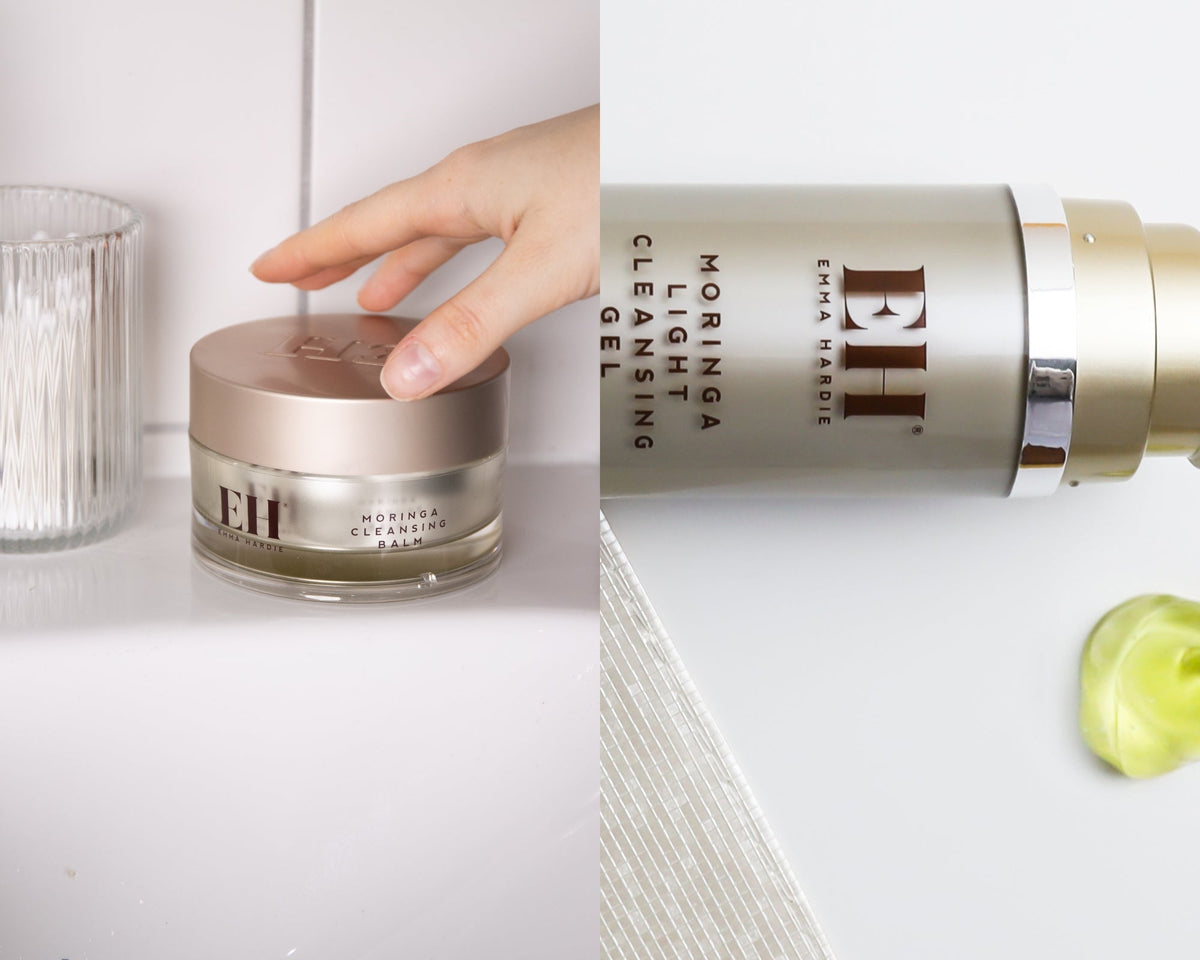
Both dry and dehydrated skin can benefit from a careful balm cleanse. The first step in your routine should leave skin comfortable rather than depleted. Moringa Cleansing Balm melts from balm to oil to milk, lifting away makeup, SPF and daily build-up while helping skin feel soft, cushioned and supported. For dehydrated skin, this means cleansing without leaving the complexion feeling tight or unsettled. For dry skin, the richer texture brings a more nourishing feel from the very start of the routine, helping to support the skin barrier as you cleanse.
From there, the routine can be adapted depending on what your skin needs.
If your skin is dehydrated, think in fine, breathable layers. Start with a water-binding serum or gel on slightly damp skin, looking for ingredients such as hyaluronic acid, glycerin, aloe vera or niacinamide. Follow with a moisturiser to cushion the barrier and help hold that hydration in place. This kind of layering matters because one light hydrating step plus one sealing step is often more effective than applying a very rich cream straight away, which can sit on the surface without addressing the lack of water underneath.
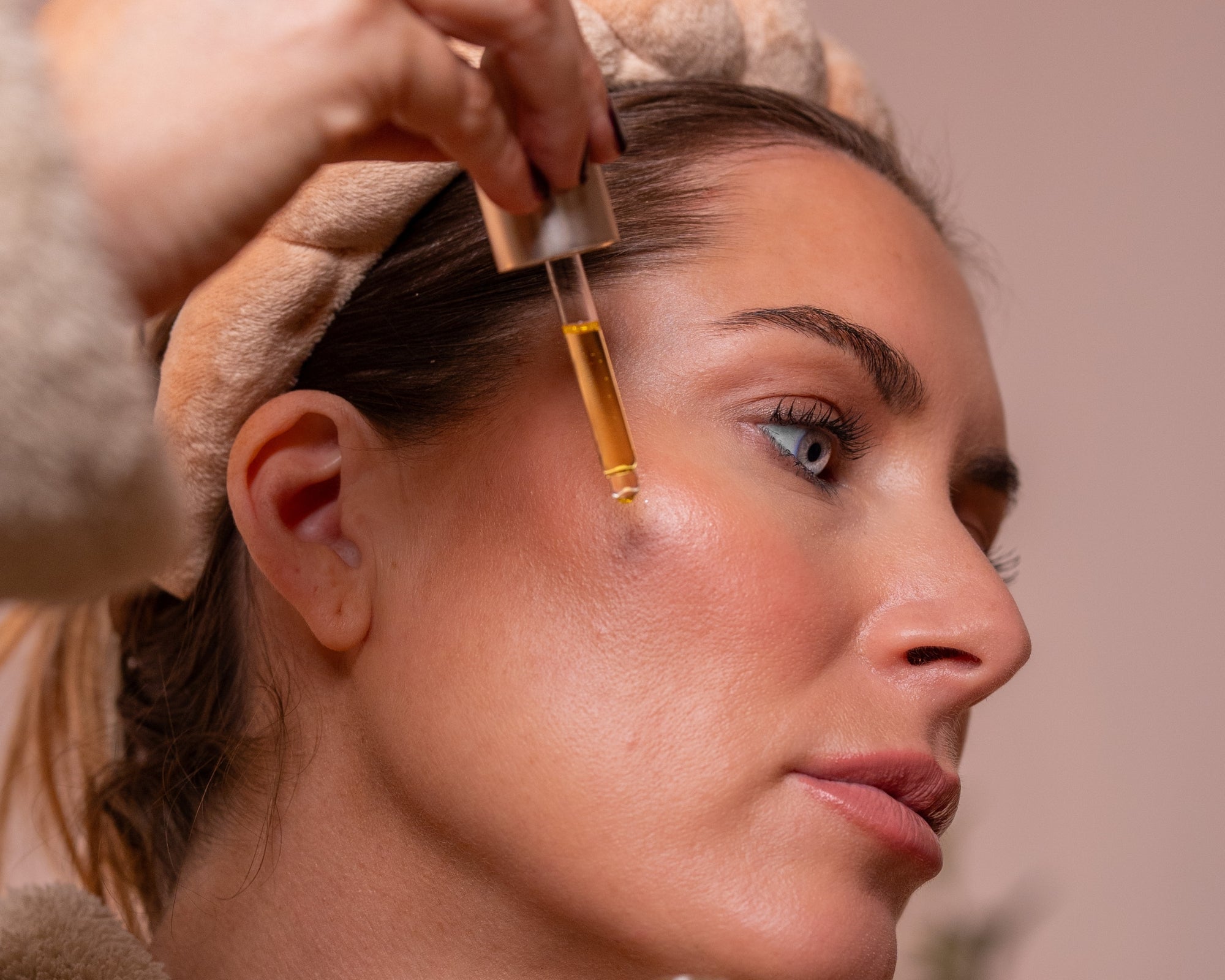
If your skin is dry, it usually welcomes more lipids and lasting comfort. Richer creams, balms and facial oils are lovely here, especially formulas with shea butter, ceramides, squalane or nourishing botanical oils. You might layer from cream to oil if needed: cream first for moisture, then press a few drops of oil over the cheeks or other rough areas to soften and protect.
Application makes a real difference too. Inspired by Emma Hardie's facialist heritage and linear massage method, warm the product between your hands, then press and smooth from the centre of the face outwards. This helps spread product evenly, encourages better contact with the skin, and eases the temptation to overapply. If you are choosing between care for dehydrated skin vs dry skin, our moisturisers and facial oils are a thoughtful place to begin.
Build a routine your skin can settle into
Once you understand whether your skin feels dry, dehydrated or a little of both, your routine becomes easier to shape. Start with a comfortable cleanse, then layer according to what your skin needs: hydration for skin that feels flat or less bouncy, and richer nourishment for skin that feels rough, flaky or short on softness.
The aim is not to add more steps. It is to choose textures that help your skin feel calm, supported and comfortable. If discomfort persists, or skin becomes sore, itchy or inflamed, seek guidance from a dermatologist, GP or qualified skin professional.